Japan’s Nintendo stores aren’t just retail spaces, they’re pilgrimage sites for fans. Whether you’re hunting down region-exclusive Splatoon merch, scoring a limited-edition Zelda artbook, or just want to stand where Mario himself feels most at home, Nintendo’s Japanese storefronts and online shop offer something you simply can’t find anywhere else. But navigating the Japanese retail landscape from overseas? That’s where things get tricky.
This guide breaks down everything international shoppers and travelers need to know about Nintendo Store Japan in 2026. We’ll cover the physical locations across Tokyo, Kyoto, and Osaka, how to shop the official online store from outside Japan, and what exclusive drops are worth the effort. If you’ve ever wondered whether that proxy service is worth it or how to avoid customs headaches, you’re in the right place.
Key Takeaways
- Nintendo Store Japan offers exclusive region-locked merchandise, limited-edition game bundles, and character goods that are unavailable in Western markets, making it the premier destination for serious Nintendo collectors.
- Three flagship physical locations—Nintendo Tokyo (Shibuya Parco), Nintendo Kyoto (Takashimaya S.C.), and Nintendo Osaka (Daimaru Shinsaibashi)—offer interactive demos, exclusive store-specific items, and tax-free shopping for international visitors.
- Since the official Nintendo Store Japan doesn’t ship internationally, proxy services like Buyee and FromJapan are the reliable workaround, though they add service fees and international shipping costs that can double the price of smaller items.
- Import customs fees vary significantly by country (US under $800 is duty-free, EU threshold is €150), so budget accordingly and avoid customs fraud risks by accepting declared values at face value.
- Visiting weekday mornings or late evenings at the physical stores beats weekend crowds, and reserving items in advance online is essential during major game launches like the rumored 2026 releases of Splatoon 4 and Metroid Prime 4.
- Japanese exclusives command premium prices through resellers (2-3x retail on eBay), making direct proxy purchases significantly cheaper and more authentic for collectors seeking niche franchises and seasonal drops.
What Is the Nintendo Store Japan and Why It Matters
Nintendo Store Japan refers to both the physical retail locations scattered across major Japanese cities and the official online storefront operated by Nintendo Co., Ltd. Unlike the broader Nintendo eShop (which sells digital games), the Nintendo Store Japan focuses on physical merchandise, collectibles, apparel, and region-exclusive game editions.
Why does it matter? Simple: exclusivity. Japan gets first dibs on limited-edition items, collaboration goods, and special packaging that never make it to Western markets. We’re talking about things like Animal Crossing seasonal plushies, Fire Emblem character acrylic stands, and game bundles with Japan-only bonus items.
For collectors and hardcore fans, the Nintendo Store Japan is the source. Regional Nintendo stores in the US or Europe don’t carry the same breadth of character goods. If you want the deep cuts, niche merch from older franchises, region-variant box art, or collaboration items with Japanese brands, this is where you look.
The stores also serve as cultural hubs. They host launch events, seasonal displays, and limited-time pop-ups tied to new releases. In 2026, with major titles like the next Metroid Prime and a rumored new Mario Kart on the horizon, expect these locations to be ground zero for exclusive launch-day goodies.
Physical Nintendo Store Locations in Japan
Nintendo Tokyo (Shibuya Parco)
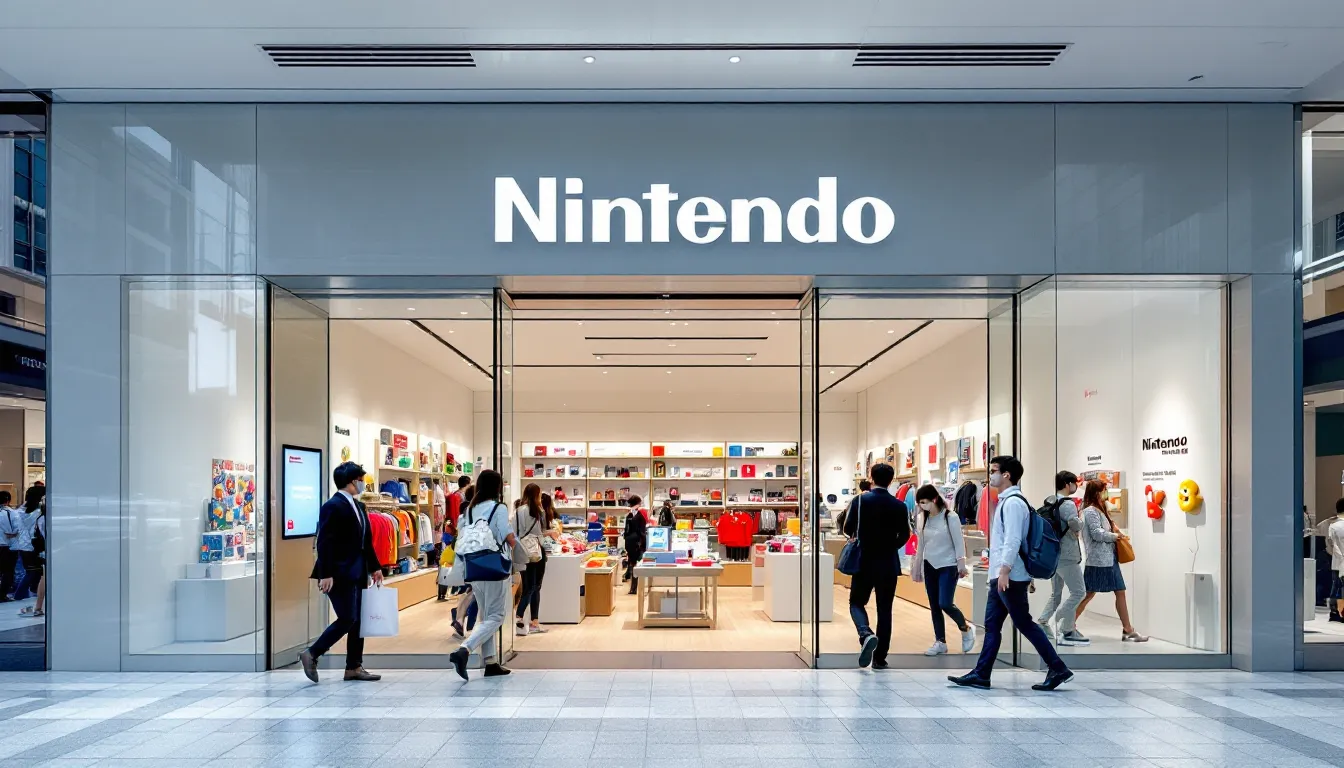
Nintendo Tokyo, located on the 6th floor of Shibuya Parco, opened in November 2019 and remains the flagship retail experience. It’s the largest official Nintendo store in the world, spanning multiple zones dedicated to different franchises.
The store layout includes dedicated sections for Mario, Zelda, Splatoon, Animal Crossing, and Pokémon (though Pokémon Centers operate separately). You’ll find exclusive Tokyo-only items, including apparel collaborations with Japanese streetwear brands and limited-run collectibles tied to seasonal events.
Shibuya Parco is tourist-friendly, with English-speaking staff and tax-free shopping for international visitors (bring your passport). The store gets packed on weekends and during major game launches. If you’re visiting in 2026 around a big release, expect lines.
Hours: 10:00 AM – 9:00 PM daily (subject to change during holidays)
Access: Shibuya Station (JR, Tokyo Metro, Keio Inokashira Line), about a 5-minute walk
Nintendo Kyoto
Opened in October 2023, Nintendo Kyoto sits in the Takashimaya S.C. T8 building, just south of Kyoto Station. This location leans into Kyoto’s cultural heritage, Nintendo’s birthplace, with store design elements referencing traditional Japanese aesthetics alongside modern Nintendo IP.
The Kyoto store carries many of the same items as Tokyo but often features Kyoto-exclusive goods, like traditional crafts reimagined with Nintendo characters. Think Mario hanko (personal seals) or Zelda-themed furoshiki wrapping cloths. It’s slightly less crowded than Tokyo, making it a better bet for a relaxed shopping experience.
Hours: 10:00 AM – 8:00 PM daily
Access: Kyoto Station (JR, Kintetsu, subway), direct connection via underground walkway
Nintendo Osaka
The newest addition, Nintendo Osaka, opened in late 2024 in the Daimaru Shinsaibashi department store. Osaka’s store emphasizes interactive experiences, playable demo stations for upcoming releases, photo-op zones, and rotating displays tied to current Nintendo campaigns.
Osaka is the smallest of the three flagship locations but compensates with curated selections and faster restocks of high-demand items. It’s also the most convenient for travelers hitting the Kansai region (Osaka, Kyoto, Nara loop).
Hours: 10:00 AM – 8:00 PM daily
Access: Shinsaibashi Station (Osaka Metro Midosuji Line), 2-minute walk
All three stores offer tax-free shopping and accept major credit cards. If you’re planning to visit multiple locations, note that exclusive items are often store-specific and don’t restock across locations.
Shopping at the Official Nintendo Online Store Japan
How to Navigate the Japanese Website
The official Nintendo Online Store Japan (store.nintendo.co.jp) is where the real treasure hunting happens for international fans. The site lists merchandise, limited-edition game bundles, and pre-orders for upcoming releases. Unlike the physical stores, the online shop updates stock daily and occasionally drops surprise limited items with zero advance warning.
The site is entirely in Japanese. There’s no official English version. Product categories include games (ゲーム), goods (グッズ), accessories (アクセサリー), and apparel (アパレル). Most browsers offer auto-translate, which works well enough for navigation, though product descriptions sometimes garble.
Key sections to bookmark:
- 新商品 (New Products): Freshly listed items
- 予約商品 (Pre-orders): Upcoming releases
- 限定商品 (Limited Items): The holy grail section, restocks are rare
Searching by franchise is straightforward. Use the Japanese character names: マリオ (Mario), ゼルダ (Zelda), スプラトゥーン (Splatoon), どうぶつの森 (Animal Crossing). Screenshots and product images are your best friends here.
Payment Methods and International Shipping Options
Here’s the catch: the official Nintendo Store Japan does not ship internationally. Payment is limited to Japanese credit cards, PayPay, or convenience store payment (コンビニ決済). Even if you manage to enter a non-Japanese address, the system will reject your order at checkout.
That said, Japanese credit cards aren’t required if you’re physically in Japan. Foreign-issued Visa and Mastercard work fine for in-person purchases at the physical stores or if you’re using a Japanese address for delivery.
For those outside Japan, proxy and forwarding services are the workaround (we’ll cover that in the next section). The official store restocks popular items more frequently than third-party resellers, so it’s worth the hassle for serious collectors.
One major benefit of the official store: My Nintendo Points integration. Purchases earn points redeemable for exclusive digital wallpapers, discounts, or special bonus items. It’s a small perk, but it adds up for repeat shoppers.
Exclusive Merchandise and Limited Edition Items You Can’t Get Anywhere Else
Character Goods and Collectibles
This is where Nintendo Store Japan flexes. The range of character goods is absurd. We’re talking plushies, acrylic stands, keychains, pins, tote bags, mugs, stationery, and more, all featuring deep-cut characters that Western stores ignore.
Recent standouts in 2026 include:
- Splatoon 3 Side Order collectible figures of Marina and Pearl in their Octo Expansion outfits
- Tears of the Kingdom Zonai-themed home goods: coasters, plates, and wall art
- Pikmin 4 plushie sets featuring all Pikmin types, including the glow Pikmin exclusive to Japan
- Fire Emblem Engage acrylic keychains of the full Divine Dragon roster
Limited releases often tie to in-game events or anniversaries. For example, Animal Crossing’s seasonal drops (cherry blossom items in spring, Halloween goods in fall) show up in the stores before they’re even teased in the game.
If you’re after retro Nintendo merch, stuff referencing the NES, FAMICOM, or classic Game Boy, the Japan store is your only real option. Western stores focus heavily on Mario, Zelda, and Pokémon, while Japan covers franchises like Metroid, Star Fox, and F-ZERO that get minimal love elsewhere.
Region-Exclusive Games and Special Editions
Japan often gets special edition game bundles that include physical bonuses: art books, soundtrack CDs, character cards, or exclusive Joy-Con colors. These never make it West, and resellers mark them up 200%+.
In early 2026, Gematsu reported that the Japanese Collector’s Edition of the next Xenoblade Chronicles title includes a full orchestral soundtrack and a 120-page concept art book, neither included in the Western release. That’s typical.
Other Japan-exclusive drops:
- Steelbook cases for major releases (Zelda, Splatoon, Metroid)
- Day-one purchase bonuses: stickers, keychains, or download codes for in-game items
- Limited-run physical editions of indie games that go digital-only overseas
The Japanese eShop and physical store sometimes collaborate on bundles where buying the physical game includes a digital bonus or vice versa. These deals are region-locked, so you need a Japanese Nintendo account to redeem codes.
Apparel, Accessories, and Lifestyle Products
Nintendo Japan’s apparel line goes beyond graphic tees. You’ll find collabs with Japanese fashion brands, subtle designs meant for daily wear, and seasonal collections tied to Japanese holidays.
2026 highlights:
- Splatoon x Uniqlo UT collection: Dropping spring 2026 in Japan before rolling out internationally (if at all)
- Animal Crossing lifestyle goods: Kitchen utensils, tableware, bedding, and home décor featuring villagers
- Zelda jewelry line: Subtle necklaces and rings featuring Hylian symbols and Tears of the Kingdom motifs
- Mario Kart racing jackets: Replica team jackets styled after in-game characters
Accessories like Joy-Con grips, carrying cases, and screen protectors also get exclusive designs in Japan. The Splatoon-themed Switch OLED dock covers and Metroid Dread controller skins that dropped in 2025 sold out in hours and never restocked.
Tips for International Shoppers: Buying from Outside Japan
Using Proxy and Forwarding Services
Since Nintendo Store Japan doesn’t ship internationally, proxy services are the bridge. Here’s how they work:
- You sign up for a proxy service (Buyee, FromJapan, ZenMarket, White Rabbit Express are the big names).
- The service provides you with a Japanese address.
- You order from the Nintendo Store Japan using that address.
- The proxy receives your package, repackages it if needed, and ships it to your actual address.
- You pay the proxy for their service fee plus international shipping.
Buyee is the most popular and user-friendly. It integrates directly with many Japanese e-commerce sites, though you’ll still need to navigate Nintendo’s store manually. Fees typically run 500-1000 yen per order plus shipping, which varies wildly by weight and destination.
FromJapan offers lower fees but requires more manual input (you paste the product URL and they purchase on your behalf). It’s better for high-value orders where saving on the service fee matters.
White Rabbit Express specializes in hard-to-find items and handles out-of-stock requests. They’ll monitor restocks for you and purchase when an item becomes available. Premium service, premium price.
Shipping costs can double the price of smaller items. A 1,500-yen keychain might cost 2,500 yen to ship. For large orders (multiple items, heavy goods), consolidation services, where the proxy bundles multiple orders into one shipment, save serious money.
One heads-up: Nintendo Life reported in late 2025 that proxy services occasionally face purchase limits during high-demand drops. Nintendo’s system flags bulk orders from single addresses, assuming scalpers. Spread big purchases across multiple services if you’re ordering a lot.
Understanding Import Fees and Customs
International orders trigger customs scrutiny. Import fees depend on your country, declared value, and item type.
Rough guidelines:
- US: Duty-free under $800. Most personal imports from Japan skate through without fees.
- EU: Threshold dropped to €150 in 2021. Expect VAT and possibly customs duties on anything above that. Factor in 20-25% extra cost.
- UK: Duty-free under £135. Above that, you pay VAT (20%) plus potential customs fees.
- Canada: Under CAD $20 is duty-free, but enforcement is inconsistent. Budget for 15-20% in fees.
- Australia: Under AUD $1,000 is generally duty-free, though GST applies.
Proxy services declare package values on customs forms. Some services let you request lower declared values (“undervaluing”), but this is technically customs fraud and voids insurance if the package is lost. Your call on the risk.
Clothing and accessories usually face lower duties than electronics. Games and collectibles fall into a gray zone, sometimes duty-free, sometimes not. Customs is RNG in physical form.
Language Barriers and Translation Tools
Navigating a Japanese website is easier than it sounds. Google Translate’s browser extension auto-translates pages decently. For mobile, screenshot the page and use Google Translate’s image translation feature.
Key phrases for shopping:
- 在庫あり (zaiko ari): In stock
- 売り切れ (urikire): Sold out
- 予約受付中 (yoyaku uketsuke-chū): Pre-orders open
- 数量限定 (sūryō gentei): Limited quantity
- 送料無料 (sōryō muryō): Free shipping
Product descriptions are mostly flavor text and specs. Images and videos do the heavy lifting. If you need exact details (dimensions, materials, region-lock info), Siliconera often publishes English breakdowns of major Japanese merch drops.
Payment errors are the most common friction point. If your order fails, double-check that your proxy’s Japanese address format matches exactly. Japanese addresses go from largest to smallest (prefecture → city → district → block number), opposite of Western formats.
What to Expect When Visiting a Nintendo Store in Person
Store Layout and Interactive Experiences
Walking into Nintendo Tokyo feels like stepping into a live-action version of the Nintendo homepage. The ground floor is merchandising heaven: walls of plushies, display cases with limited-edition items, and checkout counters that somehow process lines faster than you’d expect.
The upper section (yes, the store is multi-level within Parco’s floor space) features interactive zones. You’ll find:
- Playable demo stations: Hands-on with upcoming releases. During major launch windows, these areas get sectioned off with timed sessions.
- Photo opportunities: Life-sized Mario statues, AR photo booths, and themed backdrops. Free to use, always crowded.
- Rotating displays: Seasonal or game-specific setups. In spring 2026, expect Splatoon 4 (if it drops) and Metroid Prime 4 displays.
The Kyoto and Osaka stores follow similar layouts but scale down. Kyoto emphasizes the heritage angle with traditional design elements, while Osaka focuses on high-energy interactivity, more screens, more demos, louder music.
All three stores offer tax-free shopping for tourists. Bring your passport. Minimum purchase is usually 5,000 yen (roughly $35 USD). Staff will handle the paperwork at checkout: it takes an extra minute but saves 10%.
Crowd Control, Best Times to Visit, and Reservation Tips
Nintendo Tokyo on a Saturday afternoon? Forget it. You’ll spend more time in line than browsing. Here’s how to beat the crowds:
Best times:
- Weekday mornings (10:00-11:30 AM): Quietest window. Locals are at work or school.
- Late evenings (7:00-8:30 PM): Thins out as tourists head to dinner.
- Avoid weekends and Japanese holidays entirely unless you enjoy sardine-can shopping.
During major game launches, Nintendo Tokyo implements a numbered ticket system. You grab a ticket at the entrance, wait for your number to be called, then get a set amount of time inside. Launch events for big titles (Zelda, Mario, Splatoon) can mean 2-3 hour waits even with the ticket system.
Kyoto and Osaka are more manageable but still see spikes during Golden Week (late April/early May), Obon (mid-August), and winter holidays. If you’re in Japan for a short trip and can only visit one store, go to Kyoto on a weekday, best balance of selection and sanity.
Reservation tips: Some exclusive items or launch-day goods require advance reservations through the online store for in-store pickup. If you’re planning a trip around a major release, check the Nintendo Store Japan website a month out. Reservations open early and fill fast.
Comparing Nintendo Store Japan to Other Regional Nintendo Stores
Let’s be direct: Nintendo Store Japan beats every other regional store on breadth, exclusivity, and frequency of drops. Nintendo’s New York store and the European pop-up locations don’t come close.
Nintendo New York is the flagship outside Japan. It’s got a solid selection of merch, playable demos, and a Pokémon Center attached. But the exclusive items? Minimal. Most products there are available online via Nintendo’s US store or third-party retailers. The New York store functions more as a brand showroom than a must-visit shopping destination.
Europe has Nintendo Official Stores in select locations (London had a pop-up in 2023, Frankfurt has a smaller permanent space), but stock is inconsistent and heavily weighted toward Mario and Zelda. Niche franchises get little to no representation.
The key difference: Japan treats Nintendo as a cultural institution. The stores reflect that with deeper SKUs, more frequent collaborations, and a willingness to produce low-run specialty items that Western markets wouldn’t support economically.
Pokémon Centers (separate from Nintendo Stores but often nearby) also give Japan an edge. While Pokémon Centers exist outside Japan now, the Japanese locations still get first access to new merch lines and exclusive regional variants.
If you’re outside Japan and can’t make the trip, the proxy service hassle is genuinely worth it for serious collectors. The markup on Japanese exclusives through eBay or import resellers is brutal, often 2-3x retail. Going direct via proxy saves money and ensures authenticity.
Upcoming Releases and Seasonal Events to Watch in 2026
Nintendo Store Japan’s calendar syncs with game releases, Japanese holidays, and seasonal campaigns. Here’s what’s on the radar for 2026:
Q1 2026 (January-March):
- New Year Lucky Bags (福袋 – Fukubukuro): Annual tradition. The stores sell mystery grab bags packed with merch at a discount. Contents are randomized but themed (Mario bag, Zelda bag, etc.). Lines form hours before opening. Available in-store only, no online option.
- Valentine’s Day collection: Expect chocolate-themed goods and couple-oriented items (matching keychains, plushies holding hearts, etc.).
Q2 2026 (April-June):
- Golden Week exclusives: Late April into early May. Special items tied to Japan’s biggest holiday stretch. Previous years featured travel-themed goods (passport cases, luggage tags).
- Splatoon 4 launch window: If rumors hold, spring 2026 is the target. The stores will go all-in with exclusive apparel, weapons replicas, and pre-order bonuses.
Q3 2026 (July-September):
- Summer festival goods: Yukata (casual kimono) designs with Nintendo characters, festival game-themed merch, and seasonal plushies.
- Metroid Prime 4 (rumored launch): If it finally drops, expect exclusive Samus figures, art prints, and potentially a Japan-only Collector’s Edition.
Q4 2026 (October-December):
- Halloween collection: October brings spooky-themed variants of popular characters. Animal Crossing villagers in costumes are always a hit.
- Black Friday/Cyber Monday: Japan doesn’t traditionally celebrate these, but Nintendo’s been testing limited online-only sales the past two years.
- Christmas/Year-End: Peak season. Special gift sets, holiday-themed wrapping, and one-time collaborations. Also the worst time to visit in person, crowds are insane.
Follow the official Nintendo Japan Twitter (@Nintendo) for drop announcements. They post merch teasers a few days before stock goes live, sometimes with exact times. Botting and scalping are real issues for high-demand items, so expect popular drops to sell out in minutes online.
For travelers, timing a Japan trip around Golden Week or the New Year period maximizes exclusive drops, but you’ll also face the worst crowds and travel costs. Late September or early November offer better balance, decent weather, fewer tourists, and steady merch releases.
Conclusion
Nintendo Store Japan isn’t just a store, it’s the definitive source for Nintendo fans who want more than what their local retailers offer. Whether you’re navigating the official online store through a proxy, planning a trip to Tokyo, or just dreaming about that limited-edition Zelda jacket, the effort pays off in ways that generic merchandise never will.
The exclusives, the deeper franchise cuts, the seasonal drops, it all adds up to an experience that Western stores can’t replicate. International shipping headaches and language barriers are real, but they’re manageable with the right tools and a little patience.
If 2026 delivers on the rumored slate of releases (Metroid Prime 4, Splatoon 4, whatever Mario Kart surprises are lurking), the Japan stores will be where the best merch lives first. Plan ahead, stay flexible, and keep your proxy service bookmarked.