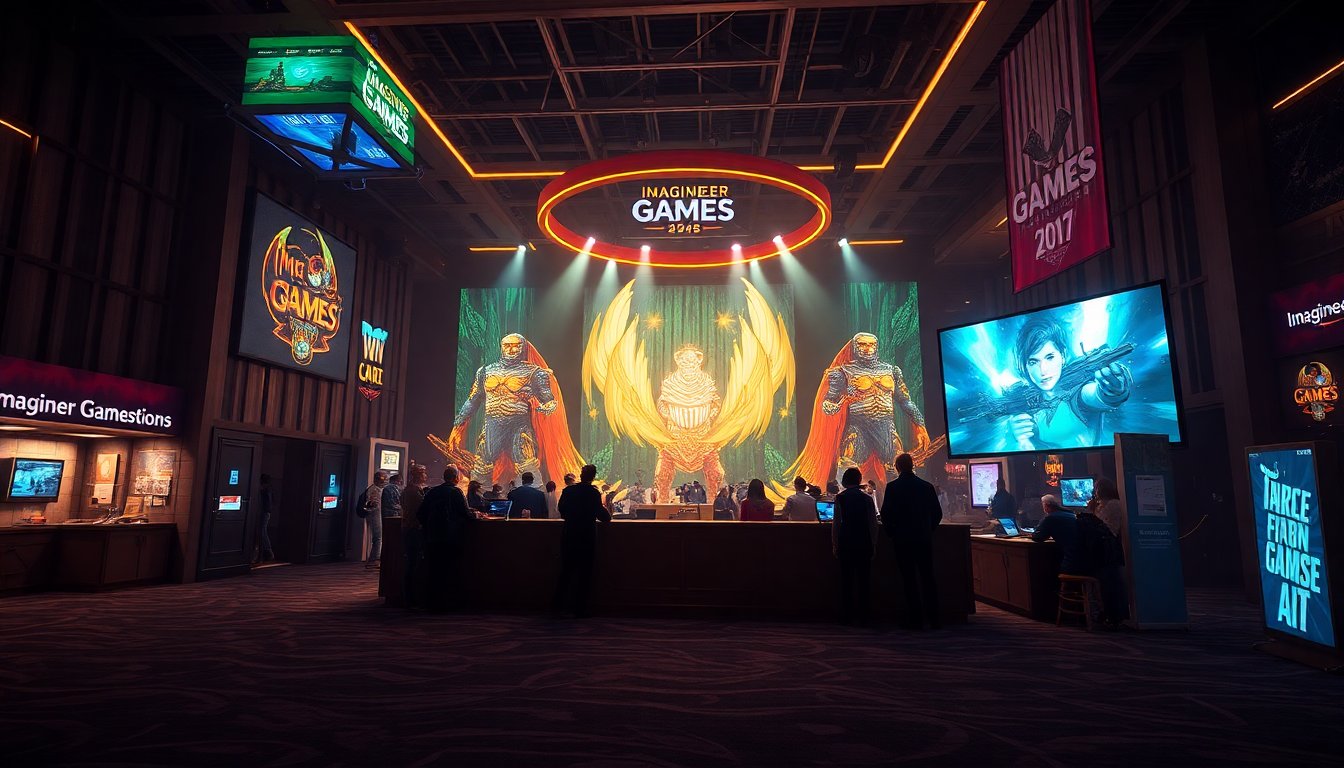

Competitive video games have been growing in popularity year by year, and over the last decade, they have solidified themselves as the most lucrative branch of the broader modern entertainment industry. Combined with streaming, content creation, and most notably, Esports, the most popular titles are now bigger than ever. These games are so big, in fact, that they transcend the boundaries of gaming, as even those who have never held a controller in their life know what they are. The big three of top tier competitive scenes with millions of dollars in prize money are, of course, Counter-Strike 2 by Valve, and both Valorant and League of Legends by Riot Games. And in the ongoing 2026 season, they are exploding like never before.
The Esports Industry Boom
Esports has evolved from a niche hobby that only “nerds” were obsessing over into one of the world’s fastest growing entertainment industries on par with traditional sports. What was once considered a pastime for dedicated gamers has become a global spectacle, attracting millions of viewers, massive sponsorship deals, and prize pools worth millions of dollars. In 2026, the momentum behind competitive gaming is stronger than ever, with new audiences discovering esports every day and established fans following tournaments with the same passion traditionally reserved for football, basketball, tennis, or Formula 1.
The rapid rise of esports is not the result of a single trend. Instead, it is the perfect culmination of years of technological innovation, changing entertainment habits, and the growing influence of digital communities. Together, these factors have created an industry that continues to expand across continents, attracting players, investors, advertisers, and betting enthusiasts alike. Wagering on competitive video game tournaments has seen a particularly strong rise as Esports predictions and odds are now big sections of the most reputable online sportsbooks.
Why Esports Became Mainstream
One of the biggest reasons behind esports’ explosive growth is accessibility. Unlike many traditional sports, esports can be watched from virtually anywhere with an internet connection. Streaming platforms like Kick have made it incredibly easy for fans to tune into live tournaments, interact with commentators, and engage with players in real time. It is tightly connected to and goes hand in hand with the streaming culture and content sharing, with the best player typically sharing their gameplay and videos with the fans.
The quality of esports productions has also reached remarkable levels, driven by heavy investment from sponsors, organizers, and professional teams. Professional broadcasts feature multiple camera angles, expert analysis, instant replays, detailed statistics, and a polished presentation that rivals major sporting events. As tournaments continue to become more sophisticated, viewers now experience something that feels every bit as exciting as watching established professional leagues.
Meanwhile, game developers continue investing heavily in competitive ecosystems and make games with Esports potential in their future. Popular titles receive regular updates, new content, and balanced gameplay, all of which help maintain long term player engagement and game health while keeping professional competition fresh and unpredictable. CS 2, LOL, and Valorant all benefit from regular updates, new content, new weapons, skins, balance patches, etc. The game stays fresh, new, and engaging.
A New Generation of Sports Fans
Younger audiences have recognized all of this and are actively reshaping the definition of sports entertainment. Many members of later Millennials, Generation Z, and Generation Alpha have grown up watching gaming content online, making esports a natural extension of their entertainment preferences. Instead of following only traditional athletic competitions, which they, in all honesty, do less than their older peers, these viewers enjoy watching skilled players compete in games they personally understand and play themselves.
Social media has accelerated this trend even further. Professional players regularly interact with fans through livestreams, short-form videos, interviews, and behind-the-scenes content. This direct connection helps build loyal communities that remain engaged throughout an entire competitive season rather than only during major championships. Fans know when the events take place, the nuances of each game, and what makes a player better than the rest. All of this is a result of them playing the games, often the ranked, highly competitive modes.
The Rise of Esports Betting
Naturally, alongside the industry’s overall expansion and the games becoming bigger than ever, esports betting has experienced remarkable growth in 2026. As competitive gaming becomes more structured and professionally organized, betting markets have naturally followed. More tournaments now feature reliable statistics, transparent schedules, official rankings, and comprehensive match histories, giving bettors access to information that supports more informed decisions. With events like CS Majors, Valorant Champions, and the LOL World Championship, it almost feels like the Olympics, UEFA Champions League, or NBA Playoffs are on.
Another key factor is the increasing variety of betting options. Except for simply predicting the winner of a match, many platforms now offer more niche wagers on individual maps, player performance, total rounds, objective completions, and numerous other in game events. These additional markets create more engaging experiences for knowledgeable fans who closely follow specific teams and players. Of course, you need to be a bigger fan of the game and understand how it all works, which is why the best players also make the best bettors.
The availability of advanced analytics contributed significantly to the popularity of making electronic sports, i.e., video games, so big on online sportsbooks. Crucial data includes detailed performance metrics, historical data, and live match statistics, which, when combined, allow experienced bettors to evaluate form, strategies, and player consistency with greater confidence than ever before. It becomes very similar to a Premier League fan strategizing, analyzing, and evaluating teams, upcoming schedule, injuries, and top goalscorers.
Technology Is Driving the Industry Forward
Artificial intelligence, cloud computing, and high speed internet continue transforming competitive gaming for everyone, including organizers, players, and fans. Tournament organizers can deliver smoother broadcasts, while advanced anti cheat systems help preserve competitive integrity for the players and thereby make betting and watching better. Improved streaming quality ensures fans can watch events in high resolution with minimal delay, regardless of where they live.
Mobile gaming has become another major contributor to esports growth, as all things mobile become the go-to for those who make decisions. Everyone becomes a potential customer, fan, and viewer since everyone has a phone with them around the clock. Competitive mobile titles now attract enormous audiences, particularly in regions where smartphones are more common than gaming PCs or consoles, of which the number consistently rises. This wider accessibility has introduced millions of new players and viewers to the esports ecosystem.
A Global Business with Huge Potential
As a result of all this, those with executive decision making, investment potential, and the last word have recognized the immense potential the industry still has. Esports is no longer limited to a handful of countries. Professional leagues now feature international teams, multinational sponsors, and global fan bases. Brands from industries including technology, automotive, finance, apparel, and consumer electronics continue to invest in tournaments and player partnerships because they recognize the marketing value of reaching digitally engaged audiences.
It has all become one hybrid industry that encompasses multiple branches of entertainment, technology, and marketing. Entire cities around the world are also embracing esports by hosting major events that attract tourism, committing long term to generating local revenue, and showcasing cutting edge entertainment venues. Certain events are synonymous with cities, like CS2 Majors in Cologne, Germany, and Katowice, Poland. Large arenas regularly sell out for championship finals, while millions more watch online from every corner of the globe.
Looking Ahead
The esports industry shows little sign of slowing down and only gets bigger each year. While new games that break onto the scene and become huge are rare, mostly due to heavy competition at the top with CS, Valorant, LOL, and a few others, every once in a while, something new happens, and the entire ecosystem instantly benefits. Continued investment, technological innovation, expanding audiences, and increasingly professional competition suggest that 2026 is only another milestone in a much larger story. Competitive gaming will continue to mature, redefine itself, and influence entertainment, media, and digital culture, which is expected to grow even further. Just wait until November and beyond when GTA VI comes out, and that is not even an online game, at least it will not be initially.
Esports betting is benefiting from this momentum on all fronts. With more reliable data, broader betting markets, stronger tournament structures, and an ever expanding global audience, it has become a natural extension of the competitive gaming experience for many fans. Together with traditional sports, it has already become that type of hobby and pastime that has multiple faces, and an activity that is better, more engaging, and more rewarding the more you get into it in different ways. Playing is fun, watching others do it is better, but doing both and winning occasionally on a betting ticket is the absolute best. While responsible participation remains essential, there is little doubt that esports and betting have secured their place as major forces in the modern entertainment landscape that has no chance of dying out anytime soon. If anything, right now, it has a better chance of becoming equal to regular sports than disappearing.