
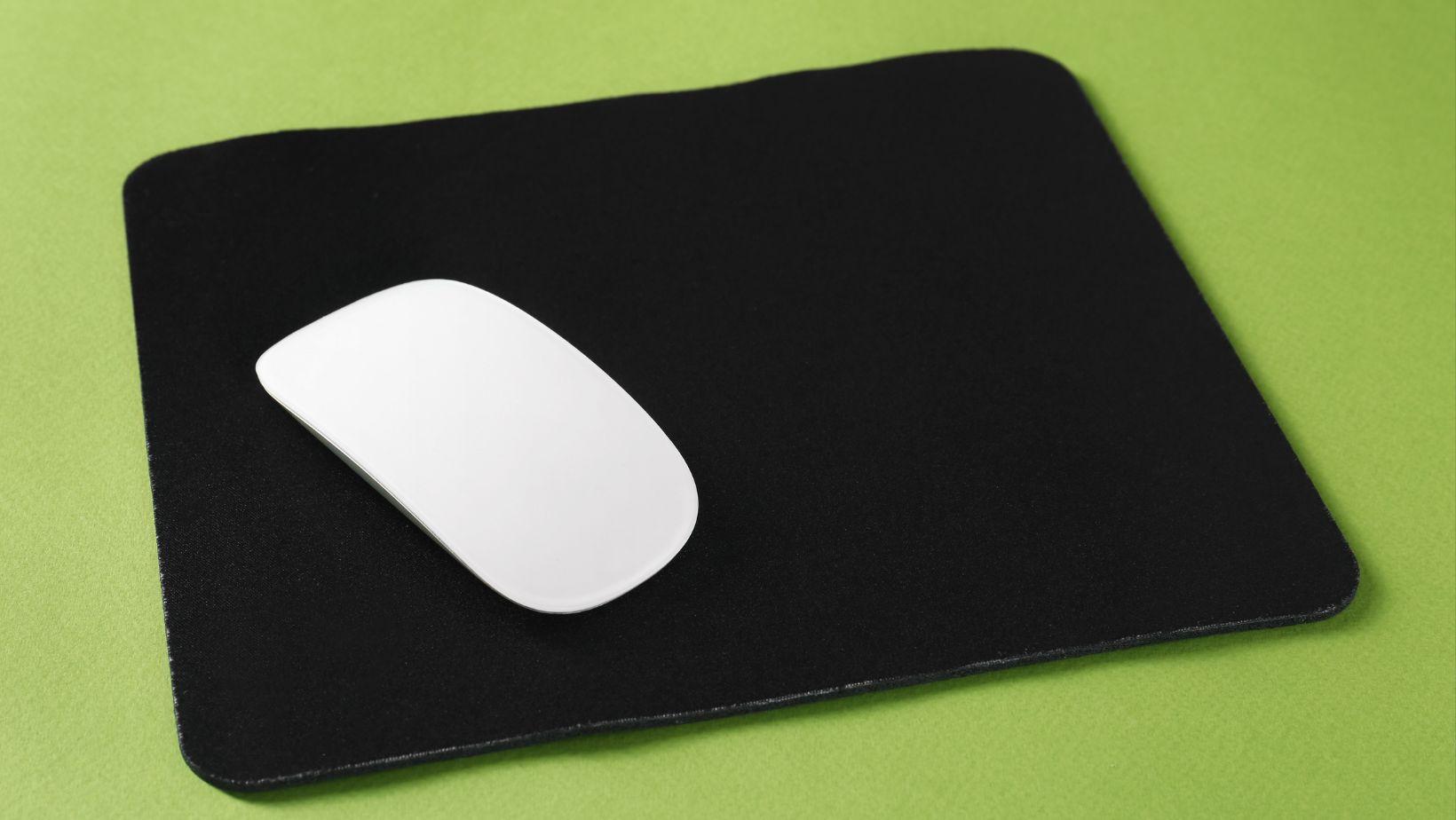
The pad under a gaming mouse affects how easily it gets moving and how quickly it comes to rest. The right choice follows from what a player values most, such as smoother tracking, precise control or a particular surface feel. Some players opt for hard surfaces to enhance speed, while others prefer cloth or textured pads for comfort and accuracy. With options ranging from tempered-glass models to traditional soft pads, there are several ways to tailor your setup to your preferences. Hard and soft pads differ mainly in how fast they glide, how well they stop a movement and how much care they need. Personal habits, desk space and even the look of the setup can narrow the choice further. As you explore different models, pay close attention to their durability and ease of cleaning, as these qualities often impact long-term satisfaction.
Why your choice of mousepad matters
The mousepad you use can influence your overall gaming experience. A smooth surface can assist with rapid movements in action-focused games, while a stable pad supports accurate aiming. The material of the surface also affects both comfort and consistency, which count during long sessions or competitive matches.
Certain mousepads incorporate materials like tempered glass for consistent tracking and durability. Others prioritize a soft cloth surface, which many users find gentle on the wrist. Selecting an appropriate pad is largely a matter of matching glide and stopping power to the way a player aims. Poorly chosen mousepads can introduce unnecessary resistance or inconsistent tracking. The thickness and edge stitching of a pad can enhance durability and protect against fraying, while the grip on the underside helps keep it in place during fast movements. Considering these factors as part of your setup helps provide the foundation for more reliable and comfortable play.
What to consider when choosing a mousepad
When searching for the best gaming mousepad, it is useful to think about your preferences and the types of games you play most frequently. If swift movements are a priority, a hard surface such as micro-etched glass can make it easier for your mouse to glide, supporting quick actions. If accuracy is more important, cloth pads often provide extra friction for controlled movement.
Size and thickness are also worth considering. Larger pads allow broader sweeps with the mouse, while thinner models can help keep your setup streamlined. Some options may be available as bundles with sleeves or mouse skates if you wish to coordinate your equipment from the outset. Non-slip bases provide stability by holding the pad in position through practice sessions or matches. Additionally, investigating whether a mousepad is optimized for low or high sensitivity can help match it with your preferred settings. Features such as water-resistance or easy-to-clean surfaces add further convenience and help prolong the life of your gear.
How different pads fit different play styles
How you use your gaming mousepad depends on your habits and goals. Players involved in esports often look for consistent glide and reliable performance under pressure, and some of them choose tempered-glass surfaces for that reason. For longer strategy sessions or creative work, soft cloth pads are a common choice for comfort and even movement.
Some users switch between different surfaces, choosing a hard pad for fast-paced training and a textured pad when focusing on precision. With various options on the market, it is possible to find a mousepad that aligns with your preference for speed, control, or a balanced feel. Humidity is another variable, as some fabric surfaces can feel slower once they take up moisture, whereas glass does not absorb it. Those who engage in varying genres of games, such as shooters or real-time strategy, may benefit from having more than one type of pad available. Trying out various surfaces, even briefly, reveals which option provides the balance of precision, comfort and responsiveness a player favors.