
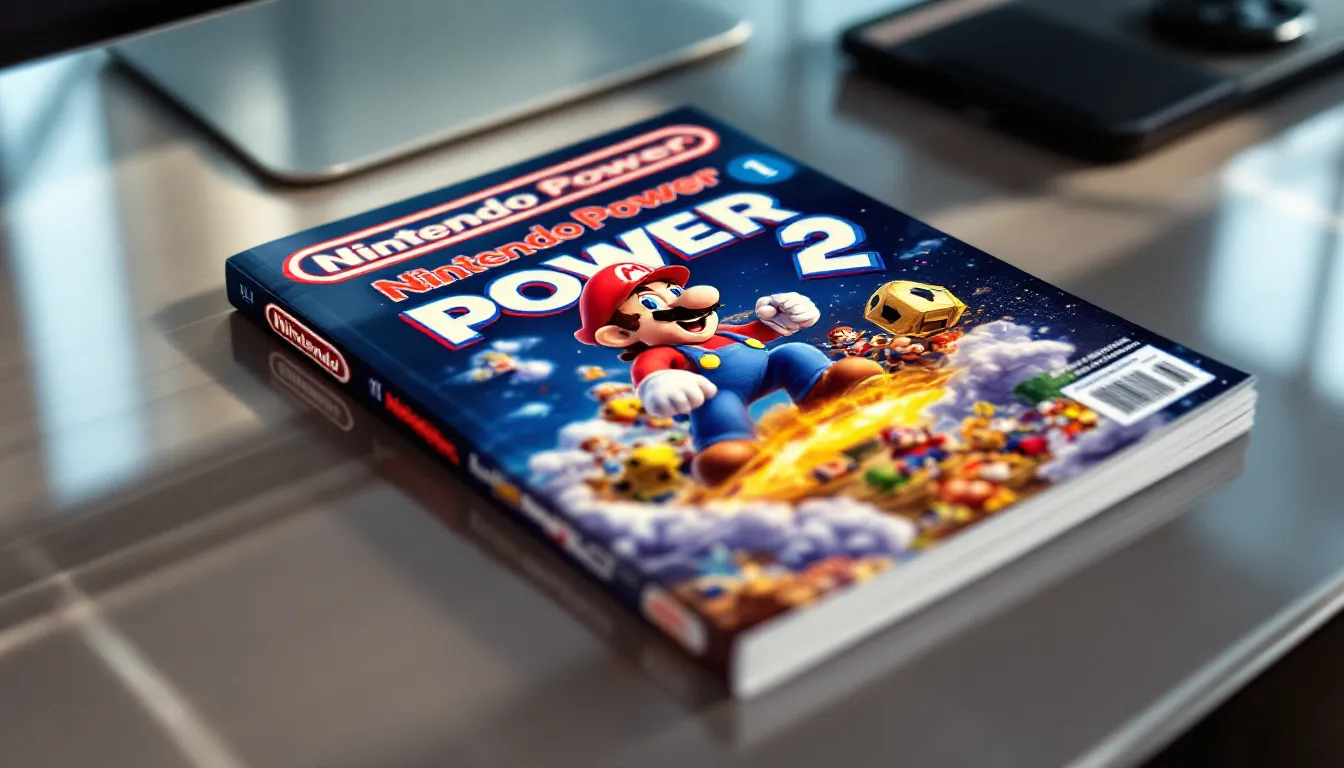
Between 1988 and 2012, one magazine held more sway over what games kids played, how they beat them, and which characters they obsessed over than any other publication in North America. Nintendo Power wasn’t just a gaming magazine, it was a direct pipeline from Nintendo of America to millions of subscribers, a strategy guide library, a poster source, and a community hub all rolled into glossy, full-color pages that arrived in mailboxes every month.
For anyone who grew up in the NES, SNES, or N64 era, that distinctive magazine spine on a bookshelf triggers instant nostalgia. The publication ran for 285 issues, covering everything from Super Mario Bros. 3 to The Legend of Zelda: Skyward Sword, and its influence on gaming journalism, fan culture, and Nintendo’s dominance in the ’90s can’t be overstated. This is the story of how a company newsletter became a cultural phenomenon, and why it still matters to collectors and gaming historians today.
Key Takeaways
- Nintendo Power magazine operated for 24 years (1988–2012) with 285 issues, becoming the most influential gaming publication in North America and a direct marketing pipeline from Nintendo to millions of households.
- The magazine’s strategy guides featured detailed maps, boss strategies, and insider tips from Nintendo’s game counselors, providing value that kept players engaged and turning early issues into collectible references still sought today.
- Nintendo Power established conventions still used in modern gaming journalism, including embargoed previews, scored reviews, and community-focused content sections that influenced how publications like Game Informer and Siliconera operate.
- Mint-condition early issues—especially Issue #1 (July/August 1988) and Issue #100—command $200–$400+ on the collector market, making Nintendo Power a valuable investment for gaming historians and nostalgic fans.
- The magazine cultivated multi-generational Nintendo loyalty by presenting gaming as an exclusive community experience, shaping how players approached difficulty and discovery in ways that persist in gaming culture today.
- Digital archives through Internet Archive and Retromags preserve Nintendo Power’s content for free access, while physical copies require careful storage in acid-free conditions to prevent degradation of this gaming cultural artifact.
The Origins and Launch of Nintendo Power
From Fun Club Newsletter to Magazine Empire
Before Nintendo Power launched in July/August 1988, Nintendo of America ran a free newsletter called the Nintendo Fun Club News. By 1987, this humble publication had racked up over 3.6 million subscribers, more than any paid gaming magazine at the time. Nintendo realized they were sitting on a goldmine of engaged readers.
Rather than keep giving away content for free, Howard Phillips and Gail Tilden spearheaded the transition to a subscription-based magazine. The first issue featured Super Mario Bros. 2 on the cover and immediately set the template: exhaustive maps, character art, tips directly from Nintendo’s game counselors, and exclusive previews.
The initial print run sold out. Within a year, circulation hit 1.5 million subscribers, making it one of the most successful magazine launches in publishing history, gaming or otherwise.
The Vision Behind the Publication
Nintendo Power existed for one strategic purpose: control the narrative. In the late ’80s, third-party gaming magazines like Electronic Gaming Monthly covered all consoles. Nintendo wanted a publication that would make their games, and only their games, look essential.
Every issue functioned as both entertainment and marketing. Maps were so detailed players could navigate dungeons blindfolded. Previews hyped upcoming releases months in advance. Even the letters section reinforced Nintendo’s family-friendly image, with editors carefully curating which fan mail made it to print.
But it worked because the content delivered real value. Kids didn’t care that it was promotional, they cared that it helped them beat Battletoads or find every heart piece in A Link to the Past. The magazine earned trust by being genuinely useful, not just an ad catalog.
What Made Nintendo Power Revolutionary
Exclusive Game Coverage and Strategy Guides
Nintendo Power had access no other publication could match. Developers sent builds months before release. Nintendo’s localization teams shared story details under embargo. The result was coverage that felt like insider information, because it was.
The strategy guides remain legendary. Multi-page map spreads for games like Super Metroid, Final Fantasy III (VI in Japan), and The Legend of Zelda: Ocarina of Time were printed on oversized pages that folded out. These weren’t just walkthroughs, they were reference documents players returned to for years.
Some standout guide features:
- Issue 13 (July/August 1990): Complete Super Mario Bros. 3 world maps across 12 pages
- Issue 54 (November 1993): Full Secret of Mana walkthrough with boss strategies
- Issue 106 (March 1998): Ocarina of Time blowout with dungeon maps and Gold Skulltula locations
Compare that to today’s digital guides, and the craftsmanship is obvious. These were designed to be kept, referenced, and passed between friends.
High-Quality Artwork and Poster Inserts
Every issue included at least one pull-out poster, often featuring key art from upcoming games or character illustrations. These weren’t throwaway prints, they were high-quality, full-color posters that ended up on bedroom walls across North America.
The magazine also commissioned original artwork. Cover illustrator Mark Ericksen painted iconic images that became more memorable than some games’ actual box art. His work on the Star Fox 64 and Metroid Prime covers elevated the magazine to collectible status even when it was current.
Inside, the layout used bold colors, dynamic fonts, and comic-style panels that made even text-heavy strategy sections visually engaging. It looked like nothing else on newsstands, glossy, energetic, and unmistakably Nintendo.
The Power Players and Community Connection
The Power Players section highlighted high scores, tips from readers, and fan art. Getting your name or drawing published in Nintendo Power was a legitimate flex among schoolyard gaming circles.
This community element made subscribers feel like part of a club. The editors used a conversational tone, injected personality into reviews, and occasionally roasted bad games with enough snark to keep things interesting. It wasn’t corporate drone copy, it had voice.
The Game Counselors offered real value, too. For players stuck on a tough section of Ninja Gaiden or confused about progression in EarthBound, the tips published from counselor hotline calls provided solutions that predated GameFAQs by over a decade. Modern gaming sites like Nintendo Life continue this tradition of community-focused Nintendo coverage, but the personal connection of a monthly magazine hit differently.
Iconic Features and Memorable Sections
Counselor’s Corner and Player Tips
Counselor’s Corner answered reader questions with specific, actionable advice. These weren’t vague hints, they were step-by-step instructions, often with accompanying screenshots or maps.
Sample questions ranged from “How do I beat the Water Temple in Ocarina of Time?” to “Where’s the last E-Tank in Super Metroid?” The answers were precise enough to solve the problem without completely removing the challenge. It struck a balance between accessibility and preserving the sense of discovery.
Player tips came from subscribers who’d discovered secrets, shortcuts, or strategies. These sections rewarded exploration and experimentation, reinforcing the idea that games had hidden depth worth investigating. It also made readers feel heard, your discovery could help thousands of other players next month.
Classified Information and Game Previews
Classified Information was the preview section, often featuring games 6-12 months from release. Screenshots were rare and precious. A single blurry image of an upcoming Donkey Kong Country level or a Star Fox ship model could fuel months of speculation.
These previews walked a careful line. They hyped upcoming releases without overpromising, and they gave readers enough detail to anticipate what made a game unique. When a title flopped, the magazine rarely acknowledged it, coverage simply shifted to the next big thing.
The previews also introduced Western audiences to Japanese games that might not have been localized otherwise. Early coverage of titles like Fire Emblem and Mother 3 built demand that eventually influenced Nintendo’s localization decisions. Publications like Gematsu now fill that role for Japanese game announcements, but Nintendo Power was among the first to spotlight these titles for English-speaking audiences.
The Evolution Through Different Eras
The Golden Age: NES and SNES Years
The period from 1988 to 1996 represents Nintendo Power’s peak influence. The NES dominated North American living rooms, and the SNES cemented Nintendo as the premium gaming brand.
During this era, the magazine published some of its most detailed strategy coverage:
- Dragon Warrior (Issue 17, November/December 1990): Full walkthrough with encounter tables
- Super Mario World (Issue 28, September 1991): Complete map of all 96 exits
- Chrono Trigger (Issue 76, September 1995): Multi-issue coverage with character builds and ending variations
Circulation stayed above 1 million throughout most of the SNES lifespan. The magazine’s influence extended beyond subscribers, issues were passed around friend groups, read in waiting rooms, and referenced in playground arguments about which game was better.
Adapting to the N64 and GameCube Era
The N64 launch in 1996 forced Nintendo Power to evolve. 3D games required different coverage approaches, static maps mattered less when cameras rotated freely. The magazine responded with more boss strategies, collectible checklists, and character unlocks.
Super Mario 64 (Issue 89, October 1996) received a massive guide spanning multiple issues. The Legend of Zelda: Majora’s Mask (Issue 140, January 2001) got a pull-out mask location chart that became a collector’s item on its own.
But competition intensified. The internet started providing free guides. Multi-platform magazines like Game Informer offered broader coverage. Circulation dipped below 1 million by 2000.
The GameCube years (2001-2006) saw Nintendo Power maintain quality but struggle for relevance. Guides for Metroid Prime, Wind Waker, and Resident Evil 4 remained top-tier, but fewer players subscribed when GameFAQs existed.
The Future Publishing Years and Final Issues
In 2007, Future US took over publication from Nintendo, making it an independent magazine for the first time. Covers featured non-Nintendo games occasionally. Reviews became more critical. The tone shifted from promotional to journalistic.
This era introduced better writing and more honest critique, but it lost some of the insider access that made early issues special. The Wii and DS provided plenty of content, yet subscriptions continued declining.
The final issue, #285 (December 2012), featured a retrospective cover with characters from across Nintendo’s history. Inside, former editors and readers shared memories. The last page simply said, “Game Over… Thanks for playing.”
It ended not with a whimper but with respect for what it had accomplished over 24 years.
Notable Covers and Special Issues That Became Collectibles
Certain Nintendo Power issues command premium prices on the collector market, driven by nostalgia, rarity, and cultural significance.
Most valuable and iconic issues:
- Issue #1 (July/August 1988): First print runs in mint condition sell for $200-$400. The Super Mario Bros. 2 cover and initial subscriber drive make it the most sought-after issue.
- Issue #100 (September 1997): Celebratory issue featuring GoldenEye 007 and a retrospective of the magazine’s history. Oversized format and special content make it a standout.
- Issue #285 (December 2012): The final issue. Still relatively affordable ($20-$50) but climbing in value as nostalgia intensifies.
- Issue #127 (December 1999): Pokémon Gold & Silver cover with attached Pokédex poster. High demand from Pokémon collectors.
- Issue #54 (November 1993): Secret of Mana cover. Square RPGs have dedicated fanbases, and this issue’s rarity drives prices up.
Special editions and inserts also hold value. The Dragon Warrior giveaway with Issue #17, the Star Fox 64 Rumble Pak preview in Issue #98, and various VHS tapes (like the Donkey Kong Country promotional VHS) are prized by completionists.
Condition matters enormely in collector circles. Mint issues with intact posters, no subscription labels, and uncreased spines fetch 3-5x the price of read copies. The same scrutiny applies to vintage hardware, players hunting for original Nintendo consoles apply similar standards to preservation and authenticity.
The Cultural Impact on Gaming Journalism
How Nintendo Power Influenced Modern Gaming Media
Nintendo Power established conventions still used in gaming coverage today:
- Embargoed previews that generate hype cycles months before release
- Scored reviews with consistent criteria (though Nintendo Power’s 1-10 scale rarely dipped below 6)
- Community spotlight sections that highlight fan creations and achievements
- Developer interviews that provide behind-the-scenes context
The magazine also pioneered the strategy guide as content model. Before Nintendo Power, guides were separate publications. Integrating them into monthly issues created ongoing value that justified subscription costs.
Modern outlets adapted these approaches for digital formats. Sites like Siliconera apply similar editorial focus, deep coverage of specific gaming niches with insider access, just optimized for web traffic instead of newsstand sales.
The Magazine’s Role in Building Nintendo Loyalty
Nintendo Power didn’t just report on games, it sold a lifestyle. Readers grew up associating Nintendo with quality, creativity, and community. The magazine reinforced brand loyalty month after month, year after year.
This loyalty translated into console sales. Kids who read Nintendo Power in the NES days bought the SNES, then the N64, then introduced their own children to the Switch. The magazine created multi-generational fans by making Nintendo’s ecosystem feel essential and exclusive.
It also shaped how a generation approached game difficulty. Stuck on a tough boss? Consult Nintendo Power. Can’t find a secret? Check next month’s issue. This cultivated patience and persistence, traits modern live-service games exploit but that Nintendo Power encouraged in single-player experiences.
The trust Nintendo built through the magazine persists even today, as evidenced by strong community engagement around new hardware launches like those analyzed in discussions comparing handheld gaming options.
Collecting and Preserving Nintendo Power Today
Where to Find Back Issues and Value Guide
Nintendo Power back issues circulate through several markets:
eBay: The largest selection, ranging from $5 reading copies to $400+ mint first issues. Search by issue number, cover game, or era. Watch for lot sales if building a collection, buying 20-30 issues at once reduces per-unit cost.
Retro game stores: Local shops often stock issues in varying conditions. Prices are higher than online, but you can inspect before buying, crucial for condition-sensitive collectors.
Mercari and Facebook Marketplace: Growing sources for bulk lots. Prices are negotiable, and sellers sometimes don’t know what they have. A $40 lot might include a $100 key issue.
Etsy and specialty sellers: Focus on high-grade copies and complete sets. Expect premium pricing but better curation.
Value ranges by condition (2026 market):
- Issues #1-50: $10-$50 (read copies) / $30-$200 (mint)
- Issues #51-150: $5-$15 (read) / $15-$40 (mint)
- Issues #151-285: $3-$8 (read) / $8-$20 (mint)
- Key issues (see previous section): 2-5x these ranges
Grading follows comic book standards: Mint (no flaws), Near Mint (minor wear), Very Good (read but intact), Good (visible wear), and Poor (damaged). Subscription labels reduce value by 10-20% since they can’t be removed without damage.
Digital Archives and Preservation Efforts
Internet Archive hosts a nearly complete Nintendo Power collection in PDF format, viewable for free. Quality varies, early uploads are low-resolution scans, while later issues reach 300+ DPI.
Retromags maintains high-quality scans contributed by community preservationists. Registration is free, and the collection includes international Nintendo magazines (Nintendo Power Japan, Club Nintendo Europe) for comparison.
Nintendo’s official stance: The company has never released digital editions or acknowledged fan archives publicly. Legally, these are copyrighted materials, but Nintendo hasn’t pursued takedowns aggressively, likely because the magazine no longer generates revenue.
Preservation challenges: Magazine paper degrades over time. Staples rust. Posters tear. Physical copies require careful storage, acid-free bags, stable temperature, low humidity. Digital scans ensure the content survives even as physical copies deteriorate.
For collectors balancing nostalgia with practicality, the strategy is clear: buy key physical issues in the best condition affordable, then use digital archives to fill gaps and reference content without handling valuable originals.
Conclusion
Nintendo Power ran for 285 issues across 24 years, but its influence extends far beyond that run. It shaped how an entire generation experienced games, not just as products to consume, but as worlds to explore, master, and share with a community.
The magazine’s legacy lives in every YouTube guide, every wiki entry, every Discord channel where players swap strategies. The format evolved, but the core impulse, helping each other beat tough games and discover hidden secrets, remains identical.
For anyone who subscribed, collected, or even just borrowed issues from friends, Nintendo Power represents more than nostalgia. It’s a reminder of when gaming felt like a secret club, when discovering a cheat code or hidden level was a genuine achievement, and when a magazine could arrive in your mailbox and make your entire month.
The physical publication ended in 2012, but its DNA runs through every enthusiast site, every fan community, and every player who still believes games are better when you experience them together. That’s the real power Nintendo Power had, and it’s one no subscription cancellation could ever take away.


