Online casino lobbies are transforming as developers address the challenge of massive game libraries and heightened player expectations. Modern navigation designs aim to provide structured, efficient, and accessible experiences that move beyond the outdated endless scroll. Product teams now focus on usability, helping players find what they want faster and with less friction.
Lobby navigation has become a central element of user experience for any online casino. As game selection grows, frustrations with sluggish or cluttered interfaces are increasingly common. Operators need to balance variety with usability, ensuring that players can discover titles quickly whether searching for old favorites or new releases. Crazyvegas australia casino games is one context where these navigation strategies matter, as effective lobbies keep scrolling manageable and improve user satisfaction. Click here for more information.
Shift to structured browsing with clear categories
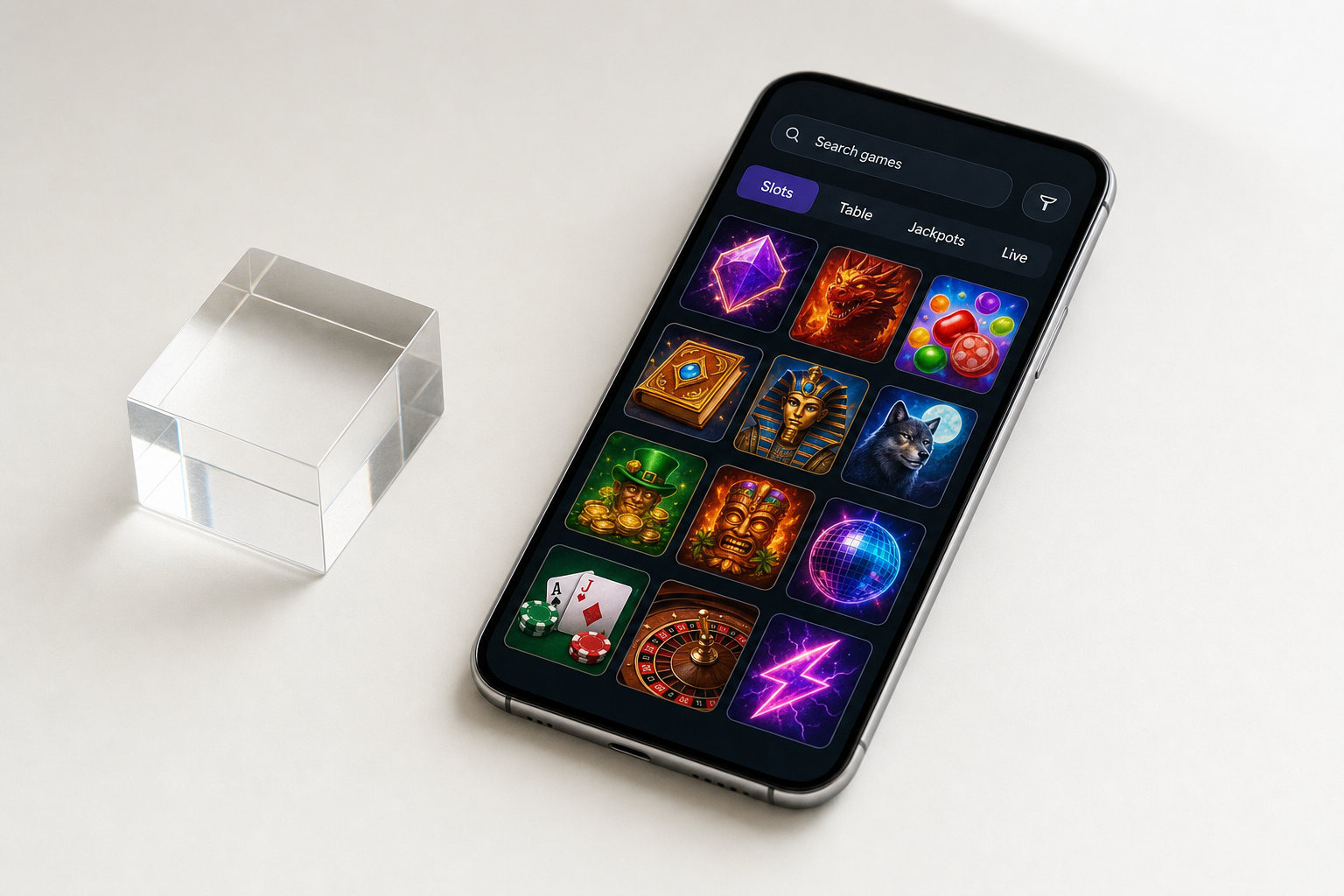
Past casino lobbies relied on simple endless scroll pages that could overwhelm even experienced players. Today, interfaces increasingly segment content into clearly defined categories and hubs, making the initial browsing experience more straightforward and less taxing on users. Categories such as slots, table games, jackpots, and live dealer options help you narrow choices before viewing the complete library.
Homepage-style layouts have also gained popularity for their ability to highlight top picks and guide exploration. Dedicated sections for new releases, featured games, and exclusive content further organize the lobby, ensuring players see timely or interesting options without having to sift through pages of thumbnails. This structure reduces cognitive load and offers logical starting points for varied audiences.
Filters, search, and editorial collections driving usability
Filters have developed from basic provider lists to controls that allow you to refine choices by game features, volatility level, return to player (RTP) bands, or in-game bonuses. The difference between effective and frustrating filters often lies in the details, such as persistent selections, easy multi-select, and defaults that make sense instead of simply replicating category lists. Thoughtful filter design means users spend less time adjusting settings and more time actually playing. The same filtering instinct shows up a level higher, where players in markets like Canada sort operators by licensing, payout speed and game range before they ever reach a lobby — click here to see how those comparisons are usually laid out.
Search functionality is now a cornerstone for many players, especially as game libraries can feature thousands of titles. Powerful search tools offer autocomplete, typo tolerance, and synonym handling so that you find what you want, even if you only remember part of a game’s title or misspell the name. Reliable and relevant results allow direct access without sifting through unrelated options, streamlining the path to gameplay.
Smart navigation without heavy personalization and reducing friction
While deep personalization can be controversial, editorial collections and trending tabs offer categorization that remains neutral. Rotating ‘new’ or ‘trending’ shelves assemble games based on broader player engagement rather than individual histories, supporting discovery while avoiding invasive or predictive systems. Curated game groups also give experienced and new players opportunities to explore different gaming styles or features.
Reducing friction from lobby to gameplay is another area of evolution. Caleb Daly, consistent load speeds, visual clarity, and minimal clicks are critical factors. Casinos emphasize using consistent iconography, labeling, and density to maintain readability and to prevent confusion when moving between filters or sections. The result is a more fluid user flow and shorter time from browsing to real play, supporting user retention.
Accessibility, transparency, and future directions in navigation
Accessibility has become a prime concern, with increased emphasis on font size, high-contrast color schemes, keyboard navigation, and easy-read layouts. By designing for a range of visual and cognitive abilities, developers enable a broader population to access and enjoy online casino offerings. Clear signposting allows users of all backgrounds to orient themselves quickly in a busy lobby environment.
Transparency in navigation now extends to informative game cards that provide links to rules, demo availability, and key terms. This approach builds trust and enables you to make informed choices about spending time or money without relying on unclear icons or heavy marketing. As navigation expectations rise, many designers anticipate future trends including standardized metadata for filters and more consistent layouts across mobile and desktop platforms.
Seamless navigation forms a crucial, though quiet, competitive advantage for operators committed to user satisfaction in the expanding world of online gaming.

Wayne is a unique blend of gamer and coder, a character as colorful and complex as the worlds he explores and the programs he crafts. With a sharp wit and a knack for unraveling the most tangled lines of code, he navigates the realms of pixels and Python with equal enthusiasm. His stories aren’t just about victories and bugs; they’re about the journey, the unexpected laughs, and the shared triumphs. Wayne’s approach to gaming and programming isn’t just a hobby, it’s a way of life that encourages curiosity, persistence, and, above all, finding joy in every keystroke and every quest.