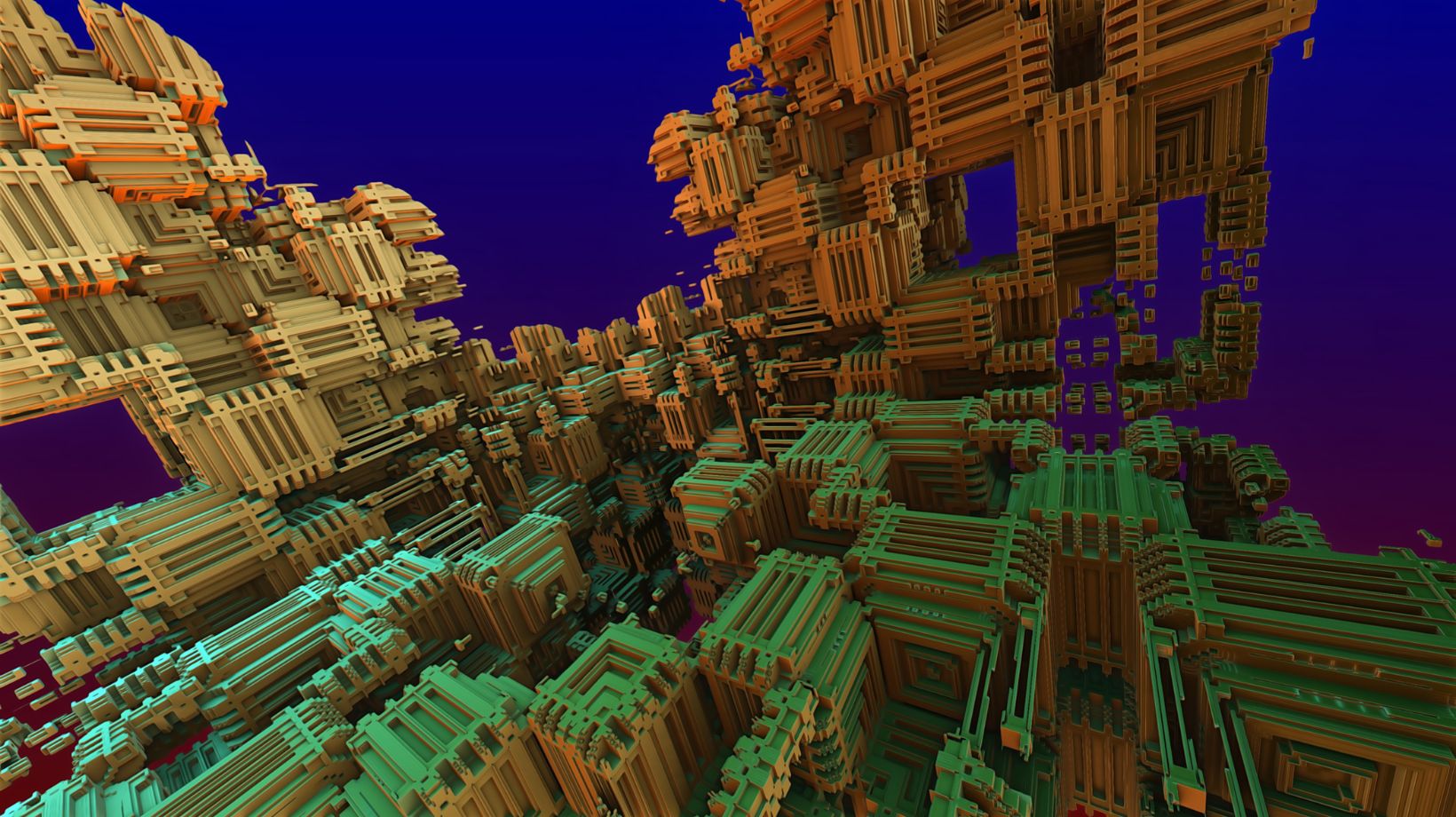

Creating believable worlds requires understanding how human psychology interprets and responds to environmental stimuli. Whether designing virtual reality experiences, video game environments, or fictional settings for storytelling, the principles remain consistent: our brains process environmental cues through established psychological patterns that world-builders can leverage to create truly immersive experiences.
Environmental Psychology and Spatial Perception
The human brain constantly processes environmental information through multiple sensory channels simultaneously. This multisensory integration forms the foundation of how we perceive and interact with spaces. When designing immersive environments, understanding these psychological processing mechanisms becomes essential for creating believable worlds that resonate with audiences on a subconscious level.
Our spatial perception relies heavily on visual hierarchy and environmental anchors. The brain naturally seeks patterns, boundaries, and focal points to orient itself within any given space. This psychological tendency explains why effective world-building incorporates clear landmarks, consistent architectural styles, and logical spatial relationships between elements.
The Broken Windows Theory in Virtual Spaces
Environmental psychology demonstrates that small details significantly impact perceived authenticity. The Broken Windows Theory, originally applied to urban environments, translates directly into virtual world design. A single misplaced texture, inconsistent lighting source, or illogical architectural element can shatter immersion instantly.
This principle extends beyond mere visual consistency. Sound design, interactive elements, and even the absence of expected features contribute to the overall psychological impression of a space. World-builders must consider every element through the lens of psychological expectation and environmental coherence.
Color Psychology and Emotional Manipulation
Colors trigger predictable emotional responses across cultures, making them powerful tools for environmental storytelling. Warm tones evoke comfort and energy, while cool palettes suggest distance and tranquility. Strategic color implementation guides player emotions without explicit narrative intervention.
Professional environment designers understand that color temperature affects perceived space dimensions. Cooler colors make spaces feel larger and more distant, while warmer hues create intimacy and urgency. This psychological principle applies equally to physical architecture and virtual environment design.
Lighting as Behavioral Guide
Human psychology inherently associates light with safety and darkness with danger. This primitive response mechanism makes lighting design crucial for guiding user behavior within immersive environments. Strategic illumination creates natural pathways, highlights important elements, and establishes emotional atmosphere without requiring explicit instructions.
The interplay between light and shadow also affects cognitive load. Well-lit areas encourage exploration and interaction, while shadowed regions naturally discourage lingering. This psychological response allows designers to control pacing and player movement through environmental cues alone.
Interactive Elements and Agency Psychology
Psychological engagement deepens when users perceive agency within an environment. Interactive elements that respond predictably to user input create a feedback loop that reinforces immersion. Even simple interactions like netti kasino environments demonstrate how responsive design elements enhance user engagement through immediate visual and auditory feedback.
The psychology of control extends beyond direct interaction. Environmental elements that react to player presence, such as dynamic weather systems or responsive NPCs, create an illusion of living worlds. This perceived reactivity satisfies fundamental psychological needs for impact and significance within virtual spaces.

Empathetic Design and Emotional Investment
Creating emotional connections requires understanding empathetic engagement principles in environmental design. Spaces that reflect human experiences, struggles, and triumphs resonate more deeply than purely aesthetic constructions. Environmental storytelling through object placement, wear patterns, and lived-in details triggers empathetic responses that enhance immersion.
Personal spaces within larger environments serve as emotional anchors. Bedrooms, offices, or personal quarters that reflect character personalities through environmental details create psychological connections between users and virtual inhabitants. These intimate spaces provide emotional respite and deepen narrative investment.
Cognitive Load and Environmental Complexity
Balancing environmental detail with cognitive processing capacity remains crucial for maintaining immersion. Overwhelming users with excessive visual information creates fatigue and disengagement. Effective world-building employs strategic simplification, focusing detail where attention naturally falls while suggesting complexity through careful environmental design.
The principle of selective attention guides optimal complexity distribution. Primary pathways and interaction zones require careful detailing, while peripheral areas benefit from suggestive rather than explicit design. This approach respects cognitive limitations while maintaining believable environments.
Cultural Psychology and Universal Design
While cultural differences influence environmental interpretation, certain psychological responses remain universal. Concepts of shelter, elevation advantage, and spatial flow transcend cultural boundaries. Successful world-building acknowledges these universal principles while incorporating cultural specificity for depth and authenticity.
Understanding psychological universals enables designers to create environments that resonate globally while maintaining unique cultural identities. This balance between universal psychology and cultural specificity creates rich, believable worlds that feel both familiar and foreign.
Evolving Psychology
As technology advances, our psychological responses to virtual environments evolve. Haptic feedback, improved visual fidelity, and emerging technologies like brain-computer interfaces will reshape how we perceive and interact with virtual worlds. Understanding fundamental psychological principles ensures effective world-building regardless of technological platform.
The convergence of neuroscience, environmental psychology, and design theory continues revealing new insights into immersive environment creation. These discoveries inform increasingly sophisticated approaches to world-building that leverage deep psychological understanding for unprecedented levels of immersion and engagement.

Wayne is a unique blend of gamer and coder, a character as colorful and complex as the worlds he explores and the programs he crafts. With a sharp wit and a knack for unraveling the most tangled lines of code, he navigates the realms of pixels and Python with equal enthusiasm. His stories aren’t just about victories and bugs; they’re about the journey, the unexpected laughs, and the shared triumphs. Wayne’s approach to gaming and programming isn’t just a hobby, it’s a way of life that encourages curiosity, persistence, and, above all, finding joy in every keystroke and every quest.