Ever noticed how a random squadmate can turn into a close friend after just one intense session? In the fast-paced worlds of online gaming, these moments aren’t rare. Digital arenas that start as competitive spaces often evolve into social hubs where strangers become teammates, allies, and sometimes lifelong friends. Here’s how that transformation happens.
More Than Just Clans and Guilds
Online games encourage interaction that goes far beyond quick matchmaking. Clans, guilds, and organised player groups give people a place to belong, coordinate, and connect with others who share similar play styles. These structures appear across almost every major multiplayer title and create long-term goals that naturally bring players closer.
Seasonal events, raid nights, world boss battles, and cooperative challenges often turn simple lobbies into coordinated team efforts. What starts as a queue becomes a strategic operation where timing, communication, and trust shape the outcome. Platforms built around shared goals, including community-driven spaces like JackpotSlotsCanada, show how group activities naturally bring players together.
From Strangers to Reliable Teammates
The shift from stranger to teammate can happen fast when players share a mission. A healer keeping a party alive through a tough encounter, a tank controlling aggro at the perfect moment, or a squad moving in sync across a map — these moments build instant chemistry.
Research supports this dynamic. Studies such as this SAGE Journals publication on online social bonding show how cooperation and repeated interaction in digital environments lead to trust, familiarity, and long-term social connection.
Many players stay connected long after a match ends through Discord servers, group chats, or community hubs. Over time, familiar names become the people you look for first when logging in.
What Communities Add to the Experience
A strong community adds structure, knowledge, and motivation to games. Experienced players often create guides, share strategies, and help newcomers overcome difficult encounters. Community-led tournaments, themed events, and challenge nights keep gameplay fresh and engaging.
Being part of a group also creates a sense of identity. Even relaxed sessions feel more rewarding when you’re progressing together, celebrating wins, or learning from setbacks as a team.
How to Join a Gaming Community
Joining a community is easier than it may seem. Most modern games offer built-in tools and active spaces where players can meet others:
- Join official Discord servers with beginner channels and group finders
• Use in-game clan or guild browsers to find groups that match your style
• Explore forums and social platforms where players share guides and recruitment posts
• Participate in live events or in-game chat to connect with regulars
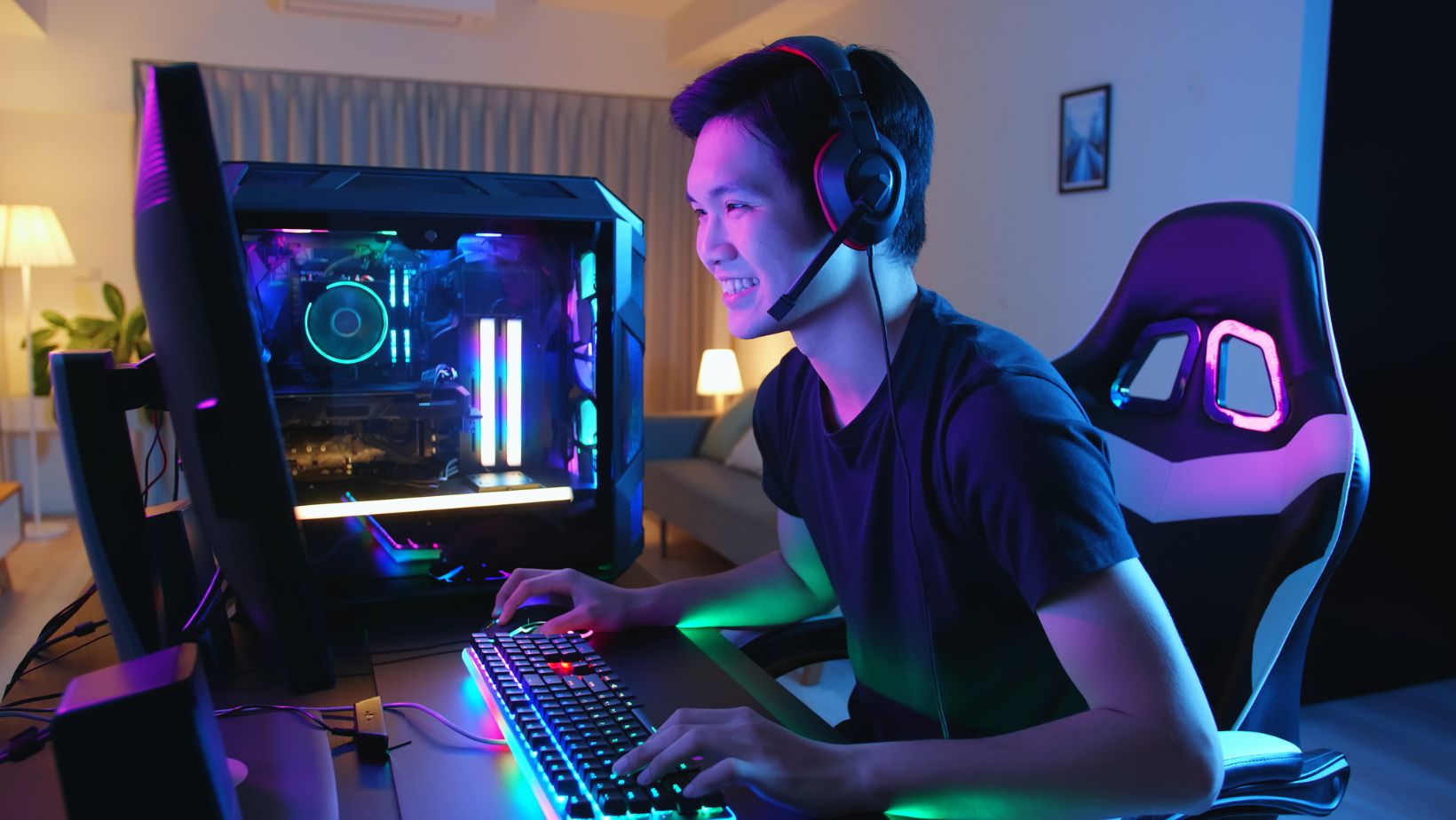 Even small interactions during cooperative activities often lead to invitations and long-term group membership.
Why It Matters
At ImagineerGames, we know that gaming is a lifestyle shaped by the people we play with. Whether you enjoy competitive arenas, laid-back co-op adventures, or story-driven titles, communities bring players together in ways that enhance communication, teamwork, and enjoyment.
Online communities grow through participation, shared goals, and memorable moments. With the right group, every session becomes more meaningful.

Wayne is a unique blend of gamer and coder, a character as colorful and complex as the worlds he explores and the programs he crafts. With a sharp wit and a knack for unraveling the most tangled lines of code, he navigates the realms of pixels and Python with equal enthusiasm. His stories aren’t just about victories and bugs; they’re about the journey, the unexpected laughs, and the shared triumphs. Wayne’s approach to gaming and programming isn’t just a hobby, it’s a way of life that encourages curiosity, persistence, and, above all, finding joy in every keystroke and every quest.