
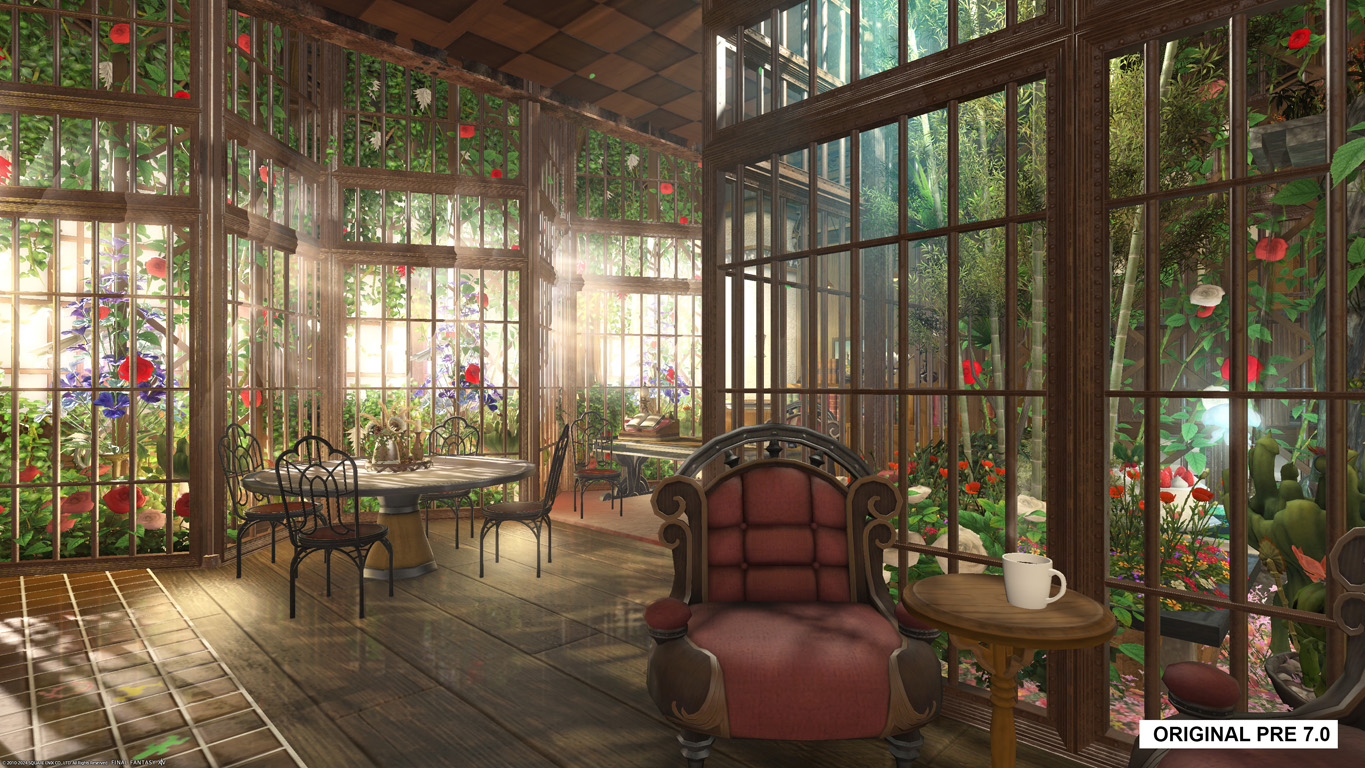
All housing in Final Fantasy XIV always begins with the innocent intention of simply wanting a quaint apartment, cafe, modern-looking room, or a fancy house meant for screenshots. But then, one checks out the Market Board, gets some partitions, considers light sources, finds out how much that crafted countertop costs, and the budgeting becomes serious business.
This is the interesting thing about housing in FFXIV. It is one thing to find the plot, room, or apartment — and another to furnish it without wasting all your FF14 gil. From walls and flooring, through light fixtures, window frames, greenery and garden decorations, dyes, bookshelves, paintings, and even tabletop ornaments, everything comes at a cost.
What forms FFXIV Housing Prices
Normally, good house design includes several layers: partitions that define the interior, lights to manipulate the mood, shelves to diversify the smooth surface of the walls, and small details that create life in the room. However, all these elements cannot always be obtained for free. Besides, there is always some improvement possible. That’s why Final Fantasy 14 gil becomes an essential element of the whole process.
The interior of an ordinary bedroom may require a bed, a carpet, a lamp, and a table. A more sophisticated cafe-like interior will need counters, chairs, items of food, wall shelves, posters for outdoors, flowers, windows, and matching dyes. All of these elements are reasonable by themselves, but together, they can consume the entire budget.
Patch 7.5 Made Housing Bigger
Patch 7.5 gave decorators more room to work with by increasing furnishing placement limits. Apartments and private chambers received higher indoor limits, and estates also gained more space for detailed interiors. For players who love dense builds, this is a huge improvement.
More slots mean better kitchens, fuller libraries, cleaner lofts, and more natural-looking rooms. You can add extra lamps, rugs, shelves, plants, and small details without deleting half of the build.
Of course, more freedom also changes spending habits. If players can place more furniture, many will buy more furniture. New furnishings also push people back to the Market Board, especially when a piece fits popular styles like cafés, modern apartments, workshops, cozy bedrooms, or garden venues.
The official Patch 7.5 notes confirm the increased furnishing limits, making this a good time to think about housing costs more seriously.
Why Furniture Prices Move So Much
Furniture prices move because housing demand is emotional. Players do not buy decor only because it is efficient. They buy it because it fits the room. If a new lamp, partition, counter, or wall style looks good in screenshots, demand can rise quickly.
The Market Board reacts fast. A nice item with limited supply may stay expensive for several days. A craftable item may drop once more crafters notice the demand. A vendor item may appear at a strange price simply because some buyers do not know where it comes from.
Before buying expensive decor, check three things:
- where the item comes from;
- whether it sells often;
- whether crafting it would be cheaper.
That last point matters a lot. Some items look overpriced until you check the materials. Others look cheap until you realize the recipe needs costly parts.
Crafting Furniture vs Buying It
Crafting can save gil, but not always. Some furniture costs more to craft than to buy finished. Other pieces become much cheaper if you gather the materials yourself.
- Buying finished items works well when you need one or two pieces.
- Crafting becomes stronger when you need repeated building blocks.
Partitions, counters, shelves, lamps, wall pieces, and tables can become expensive when bought in bulk. For example, buying one partition may not hurt. Buying twenty can feel painful. If your crafters are ready, making repeated items yourself can save a lot of FF14 gil. If not, you can still gather part of the materials and buy only what you cannot make. The best approach is simple: compare the final item price with the full material cost.
When a Bigger Housing Project Needs More Gil
Some housing ideas stay cheap. A small room with smart lighting, vendor furniture, and a few crafted highlights can look great. Other projects need a much larger budget. A mansion redesign, a detailed café, a garden venue, or a themed roleplay space can require dozens of crafted items and rare decorations.
At that point, the question becomes practical. How much time do you want to spend farming before you can actually build? Some players enjoy gathering, crafting, and selling along the way. Others already have a clear item list and want to finish the design while the idea still feels fresh.
For that kind of project, enough FFXIV Gil can be a life-changer. It makes the most sense when the goal is specific: finish the garden, buy missing furniture, prepare materials, or complete one room without stretching the work over several weeks. You can just look for FFXIV Gil for sale, get enough currency, and finish the project in time. Housing gives you a visible shopping list, so extra currency supports a defined build rather than random spending.
How to Spend Less Without Making the Room Look Cheap
A good room does not need the most expensive items. It needs a clear idea. Lighting, spacing, and color do more work than rare furniture.
Start with the structure first. Place partitions, floors, counters, or lofts before buying decorations. Then add lighting. After that, choose one or two focal points, such as a fireplace, desk, kitchen counter, bed, or garden centerpiece. Small details should come last.
These habits help keep costs under control:
- preview furniture before buying it;
- check vendors before using the Market Board;
- avoid trendy pieces right after a patch;
- craft repeated items when possible;
- use rare items as accents, not filler;
- decorate one area at a time;
- keep extra gil for dyes and lighting.
The goal is not to spend as little as possible. The goal is to spend where the room actually improves.
Buying Gil for Housing: When It Fits the Plan
Housing has one useful advantage: the costs are easy to list. You can count the partitions, price the lamps, check the garden pieces, and see how much the dyes cost. That makes budgeting easier than a vague “I need more money” approach.
If you decide to buy gil, connect it to one part of the project. Finish the kitchen. Complete the outdoor area. Cover the cost of repeated furniture. Buy the final few pieces that hold the design together.
The same logic applies when players buy FFXIV Gil for a larger estate build. A clear plan keeps the currency from disappearing into random Market Board purchases. For smaller rooms, farming and crafting may be enough. For larger designs, you have an option to buy Gil FFXIV when having a prepared item list.
In summary, Final Fantasy 14 housing is one of the most creative parts of the game, but it can quietly become one of the biggest FFXIV gold sinks. The property itself is only the beginning. Furniture, lighting, partitions, dyes, garden pieces, and crafted decor create the real cost.
Start small, check item sources, compare prices, and build the room in stages. Patch 7.5 made housing more flexible with higher furnishing limits, so players now have more space for detailed interiors. That freedom is exciting, but it also makes budgeting more important.
Whether you farm everything yourself, craft part of the furniture, or buy FF14 Gil for a specific housing goal, the best rule stays the same. Plan the room before you spend. Your gil will go further, and the final home will look much closer to the idea you had in mind.