

Entering a vast MMORPG involves a delicate balance between leveling your character and maintaining a healthy virtual bank account. As players transition from early zones into demanding endgame territories, economic pressure scales exponentially. Progression shifts from simple experience point accumulation to a heavy reliance on high-tier crafting materials, rare equipment drops, and constant consumable usage. Without understanding how wealth flows through the ecosystem, players inevitably hit an invisible wall where progression stagnates entirely.
Conventional guides direct players toward repetitive monster farming loops, which rarely account for shifting server populations or fluctuating auction house prices. To optimize progression, you must evaluate your in-game time against tangible character power gains. For players who cannot commit hours to daily grinding, looking into services to Aion 2 Kinah kaufen provides a practical way to bypass the initial resource bottleneck. This article breaks down essential economic mechanics, providing actionable methods to manage assets, evaluate market trends, and make calculated decisions that keep your character moving forward.
Understanding the Core Drivers of the Regional Economy
A successful MMO financial plan starts with understanding what drives server demand. Wealth is rarely generated by hoarding currency dropped by random enemies; it is built by facilitating the needs of other players. Significant cash flows revolve around progression milestones, such as realm-versus-realm combat preparations, dungeon entries, and top-tier crafting requirements. Recognizing these player-driven needs allows you to position yourself as a key supplier rather than a passive consumer.
You must track weekly server cycles to anticipate price spikes. Server maintenance days, weekly dungeon lockouts, and content patches create predictable market fluctuations. Consumables like potions, food buffs, and enhancement stones see massive price surges when large guilds begin weekly raid attempts. Purchasing these materials during the mid-week lull and listing them during peak weekend hours creates a passive income stream to fund your own gear upgrades.
Furthermore, territorial control mechanics heavily influence regional tax rates. Keep an eye on which factions control key resource nodes. If a dominant alliance taxes a crafting hub heavily, clever players transport raw materials to less taxed regions to refine them, securing a significantly better profit margin.
Establishing a Routine for Consistent Wealth Generation
1. Identify High Demand Crafting Materials
Spend ten minutes analyzing the auction house to identify materials suffering from a supply shortage. Look for mid-tier refining components that high-level crafters need in bulk. Targeting these specific items, rather than mindlessly gathering random nodes, ensures every hour spent in the field translates directly into highly liquid assets.
2. Schedule Your Daily Gathering Routes
Efficiency is dictated by how smoothly you transition between resource nodes. Plot a specific geographical route that loops through multiple biomes containing targeted materials, aligning with the spawn timers of rare nodes. Running a standardized circuit eliminates dead time spent wandering and lets you accurately forecast when you can afford your next upgrade.
3. Monitor the Regional Trading Board
Do not rely solely on a single centralized market. Different player hubs exhibit distinct micro-economies based on the average level of players utilizing them. Purchase underpriced goods in heavily populated beginner areas and transport them to endgame zones where players pay a premium for convenience, yielding tremendous returns over time.
Bridging the Gap During Severe Resource Deficits
Even with meticulous planning, you will inevitably encounter situations where progression is halted by a sudden capital requirement. This typically occurs when transitioning into a new tier of endgame content, where acquiring best-in-slot weaponry or securing a rare enhancement artifact requires millions of currency units. When an exclusive auction appears or your guild mandates a specific gear score for an upcoming siege, traditional farming methods may simply be too slow.
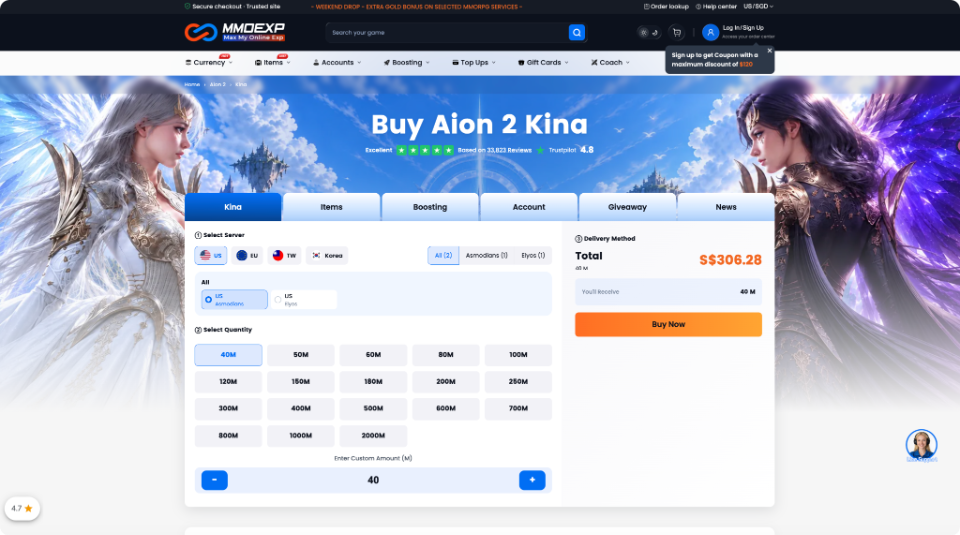
In these critical moments, conduct a rigid cost-benefit analysis of your time. If farming the required capital takes forty hours of repetitive grinding, but the upgrade is necessary immediately, utilizing external acquisition becomes a strategic decision. Choosing to Buy Aion 2 Kinah should be executed with a specific goal in mind. Determine the exact amount needed, process the transaction, and instantly reinvest those funds into the critical gear piece to rapidly elevate your combat capabilities.
Following any market injection, immediately verify that your new equipment actually opens up the progression pathways you anticipated. Test your damage output in advanced dungeons to ensure the investment was sound. Proper utilization of this method is about strategically skipping an artificial bottleneck to maximize the value of the time you actually spend playing.
Avoiding Common Financial Mistakes in Early Progression
A significant number of players sabotage their endgame potential by mismanaging assets during the leveling phase. The most pervasive error is over-investing in transitional equipment. Because you will rapidly out-level mid-game zones, spending vast sums to fully enhance early gear is a catastrophic waste. You should only upgrade equipment enough to survive current content, aggressively saving for maximum-level armor sets.
Another pitfall is ignoring hidden market transaction costs. Auction houses charge listing fees and take a percentage of the final sale price. Repeatedly canceling and relisting items to undercut competitors quickly drains reserves through administrative fees. Instead of engaging in chaotic price wars, study historical pricing data and list items at a fair median value for a longer duration.
Finally, refrain from hoarding items based on speculative guesses without concrete data. Storing hundreds of low-level crafting materials clogs your inventory and ties up capital. If an item does not have a clear, immediate use of your character or an established market demand, liquidate it into raw currency. Liquidity provides the flexibility to capitalize on sudden market opportunities.
Building a Sustainable Long Term Financial Strategy
Mastering an MMO economy comes down to creating reliable, repeatable systems rather than relying on unpredictable item drops. By identifying high-demand crafting materials, charting efficient gathering routes, and understanding server transaction cycles, you establish a solid baseline of income. Recognizing exactly when to leverage calculated market solutions to bypass severe bottlenecks further ensures your progression trajectory remains steady.
The ultimate measure of success in managing your virtual wealth is the freedom it grants you to engage with the highest tiers of content on your own terms. When you stop worrying about basic equipment repair bills, you can dedicate your focus to mastering complex raid mechanics and massive territorial disputes. By treating resources as strategic tools, you transform the economic grind into a rewarding aspect of your gameplay.