
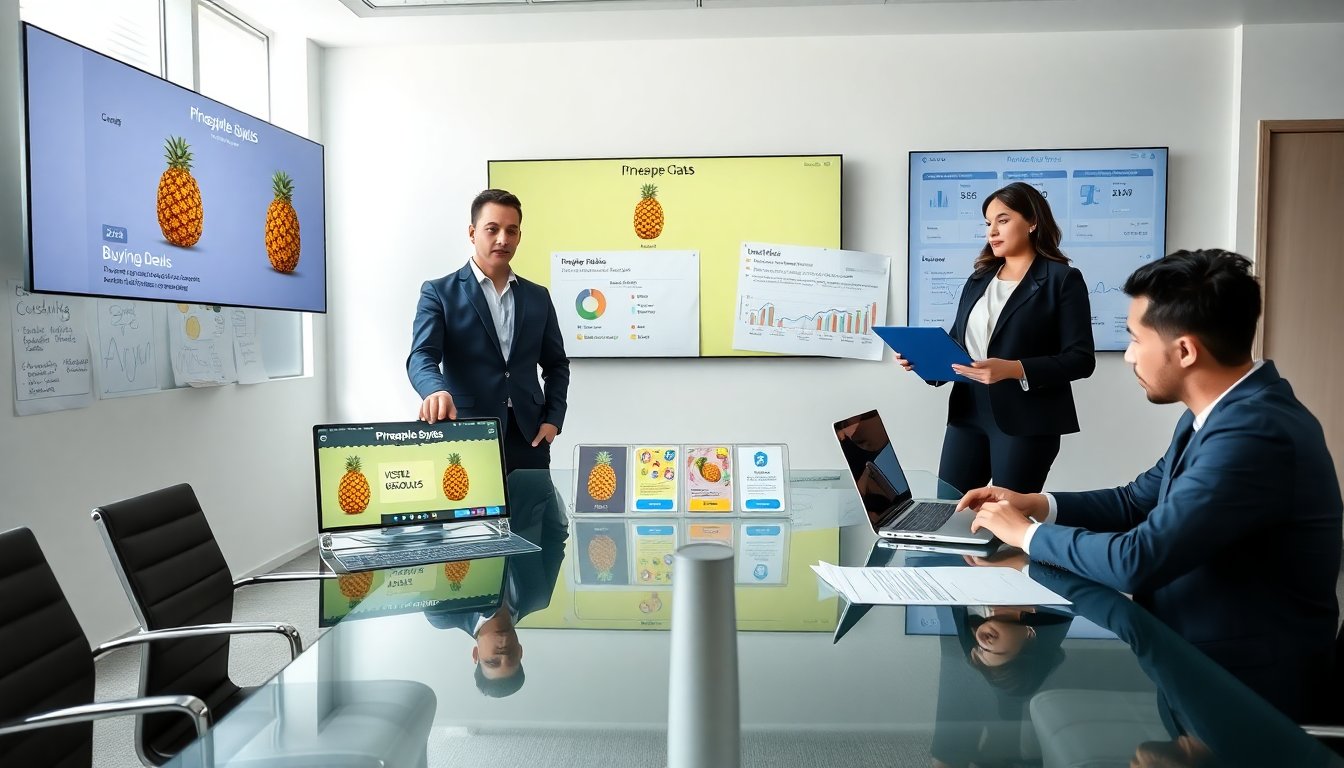
game design pineapple buying deals reviews imaginergmswe appears in many developer conversations in 2026. This article defines the term. It explains why designers care. It evaluates Imaginergmswe’s implementation. It gives actionable tips for designers who want to build similar systems.
Key Takeaways
- Game design pineapple buying deals utilize bundles of cosmetics, time-limited bonuses, and layered discounts to increase short-term purchase rates and test pricing psychology.
- Imaginergmswe’s implementation features a clear countdown, a preview carousel, and a streamlined one-tap purchase path linked to daily missions and XP boosts, enhancing player engagement.
- The pineapple buying deals balance immediate rewards with long-term progression to maintain player interest while avoiding disruption of game pacing.
- Designers should start with a clear value proposition combining cosmetics, progression items, and buffs, while using visible timers and primary CTAs to drive conversions.
- Measuring conversion, retention, ROI, and player sentiment is crucial after every rollout to optimize pineapple buying deals effectively.
- Rotating offers, localizing prices, limiting bundle power, and incorporating community feedback help prevent player fatigue and sustain monetization success.
What “Pineapple Buying Deals” Means For Game Designers
“Pineapple buying deals” describes a sale format that bundles cosmetic items, time-limited bonuses, and layered discounts. Designers use the format to increase short-term purchase rates and to test pricing psychology. The phrase appears in game design pineapple buying deals reviews imaginergmswe when analysts discuss bundle structure. The bundle typically features a headline discount, a limited timer, and a visible rarity ladder. Players see value, respond quickly, and reveal price sensitivity. Designers should treat the format as an experiment. They should measure conversion, retention, and player sentiment.
Imaginergmswe’s Implementation: Core Mechanics And Player Flow
Imaginergmswe places a pineapple bundle in the main shop with a countdown and a preview carousel. Players tap the offer, view contents, and see a checkout path with one-tap purchase. The company links the bundle to daily missions and a temporary XP boost. The flow reduces friction and highlights perceived savings. Imaginergmswe varies price tiers by region and by player spend segment. Analysts who write game design pineapple buying deals reviews imaginergmswe note the clear CTA and short purchase path. The firm also A/B tests visual hierarchy and messaging frequency.
Player Experience Review: Balance, Reward Loops, And Monetization
Imaginergmswe balances immediate reward with long-term progression. The pineapple bundle gives a cosmetic, a small progression item, and a time-limited buff. Players receive a fast gratification signal and a delayed progression signal. This mix keeps some players engaged without breaking progression pacing. Reviewers of game design pineapple buying deals reviews imaginergmswe praise the visible value ratio. Still, some players report reward fatigue after repeated offers. The monetization sits at a mid-core level. It aims to convert casual players while keeping core loop intact.
Practical Tips For Designing Your Own Pineapple-Style Buying Deals
Start with a clear value proposition. Offer one cosmetic, one small progression item, and one short buff. Use a visible countdown and a single primary CTA. Measure conversion, retention, ROI, and sentiment after each rollout. Localize prices and test price tiers by player segment. Limit power inside bundles to avoid paywalls. Rotate offers and pause frequency if players report fatigue. Use community feedback and A/B tests. Read game design pineapple buying deals reviews imaginergmswe for reference, but adapt findings to the game’s core loop and audience.