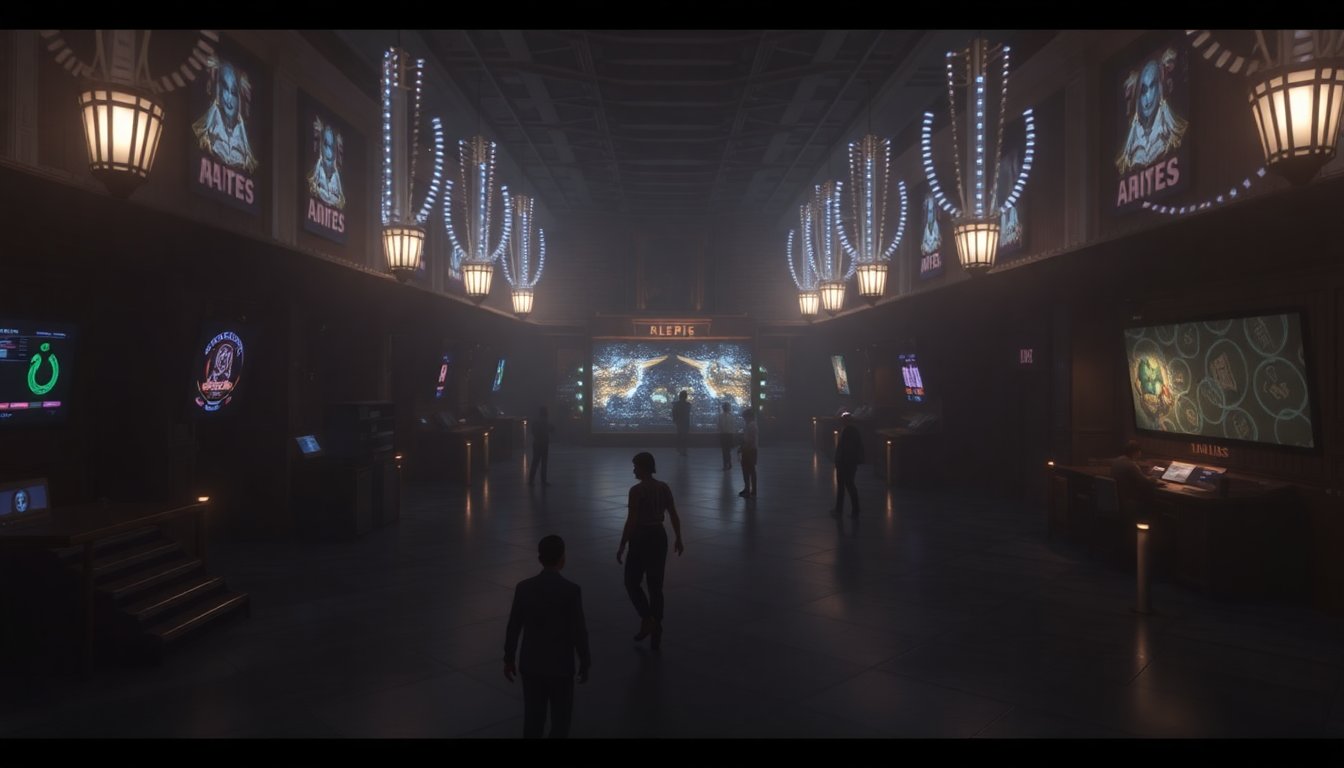

Game engagement is no longer driven by mechanics alone. Art direction, progression systems, community features and session design all play a role in whether players keep coming back. Among these factors, reward systems have become one of the most powerful tools for shaping player behaviour. When designed well, they can turn a one-off interaction into an ongoing habit without making the experience feel forced.
Across modern games and adjacent platforms, rewards now sit at the centre of engagement strategy.
Rewards give players a reason to return
At the simplest level, rewards create momentum. They signal that progress is happening, even between major milestones. This can be especially useful in games where sessions are short or highly repeatable.
Common reward mechanics include:
- daily or weekly login incentives
- progression milestones
- event-based unlocks
- surprise bonuses tied to activity
- personalised rewards based on behaviour
These systems help players feel that returning has immediate value. They also support habit formation by connecting engagement with anticipation.
The principle is familiar across entertainment. Users are more likely to revisit a product when they know their time can unlock something meaningful, even if that reward is relatively small.
Good rewards support pacing not just retention
A weak reward system can become exhausting. If every action is overloaded with incentives, players may feel manipulated rather than motivated. The best systems understand pacing.
Reward design works better when it:
- matches the tempo of the game
- supports exploration rather than distraction
- reinforces player choice
- feels clear without becoming intrusive
This is where modern game engagement becomes more sophisticated. Rewards are not simply handed out to keep players busy. They are positioned to support flow, learning and variety.
Adjacent gaming environments show this as well. Platforms such as slotsoo.com illustrate how reward-led structures can influence discovery and repeat interaction by giving users clearer reasons to continue exploring available experiences. That broader design lesson matters far beyond one platform type. Good rewards help players understand where value lives in the experience.
Engagement grows when rewards feel earned and relevant
Players respond differently to rewards depending on how those rewards are framed. A mechanic that feels generous but disconnected may create a brief spike in activity. A mechanic that feels relevant and well timed is more likely to support lasting engagement.
That is why context matters so much. Rewards tend to perform better when they are linked to:
- a new feature the player has not tried yet
- a progression path the player already values
- a seasonal event with clear thematic relevance
- a behavioural milestone that reflects genuine activity
This creates a stronger relationship between reward and experience. Instead of functioning as noise, the system becomes part of the game’s internal logic.
For developers, this is one of the most useful engagement lessons. Reward design should not be treated as a separate monetisation layer. It should be integrated into the rhythm of the product.
Modern engagement depends on clarity and trust
Players are increasingly experienced with reward systems. They recognise when incentives feel arbitrary, confusing or overly aggressive. This means clarity has become essential.
A strong reward framework usually answers a few questions quickly:
- what is being offered
- why it is available
- how it can be claimed
- what action the player can take next
When those answers are easy to understand, rewards support trust as well as engagement. Players feel more comfortable exploring the product because the system communicates value clearly.
Reward systems are shaping modern game engagement because they influence how players pace their time, interpret progress and decide whether to return. The best examples are not just addictive. They are structured, readable and aligned with what the player actually enjoys.
As games continue to compete across devices and genres, reward design will remain a defining factor in how engagement is built. Players stay longer when rewards make the experience feel responsive, purposeful and worth revisiting.

Wayne is a unique blend of gamer and coder, a character as colorful and complex as the worlds he explores and the programs he crafts. With a sharp wit and a knack for unraveling the most tangled lines of code, he navigates the realms of pixels and Python with equal enthusiasm. His stories aren’t just about victories and bugs; they’re about the journey, the unexpected laughs, and the shared triumphs. Wayne’s approach to gaming and programming isn’t just a hobby, it’s a way of life that encourages curiosity, persistence, and, above all, finding joy in every keystroke and every quest.