
In today’s highly competitive gaming landscape, every millisecond counts. High refresh rate monitors have become a crucial component for gamers striving to gain an edge in fast-paced titles like first-person shooters, battle royale games, and real-time strategy competitions. The benefits extend beyond mere speed: smoother motion, reduced input lag, and a more immersive visual experience contribute to better overall gameplay. For professional esports players, these differences can mean the difference between winning a tournament and facing an early exit. Even for casual gamers, high refresh rates enhance the experience, making fast movements and complex animations appear fluid and precise. Furthermore, investing in such hardware supports long-term comfort by reducing eye strain and fatigue during extended sessions. This article explores why upgrading your monitor is no longer optional but essential for modern gaming success, covering technical advantages, competitive benefits, health considerations, and practical tips for choosing the right display.
Competitive Advantage in Esports and Fast-Paced Games
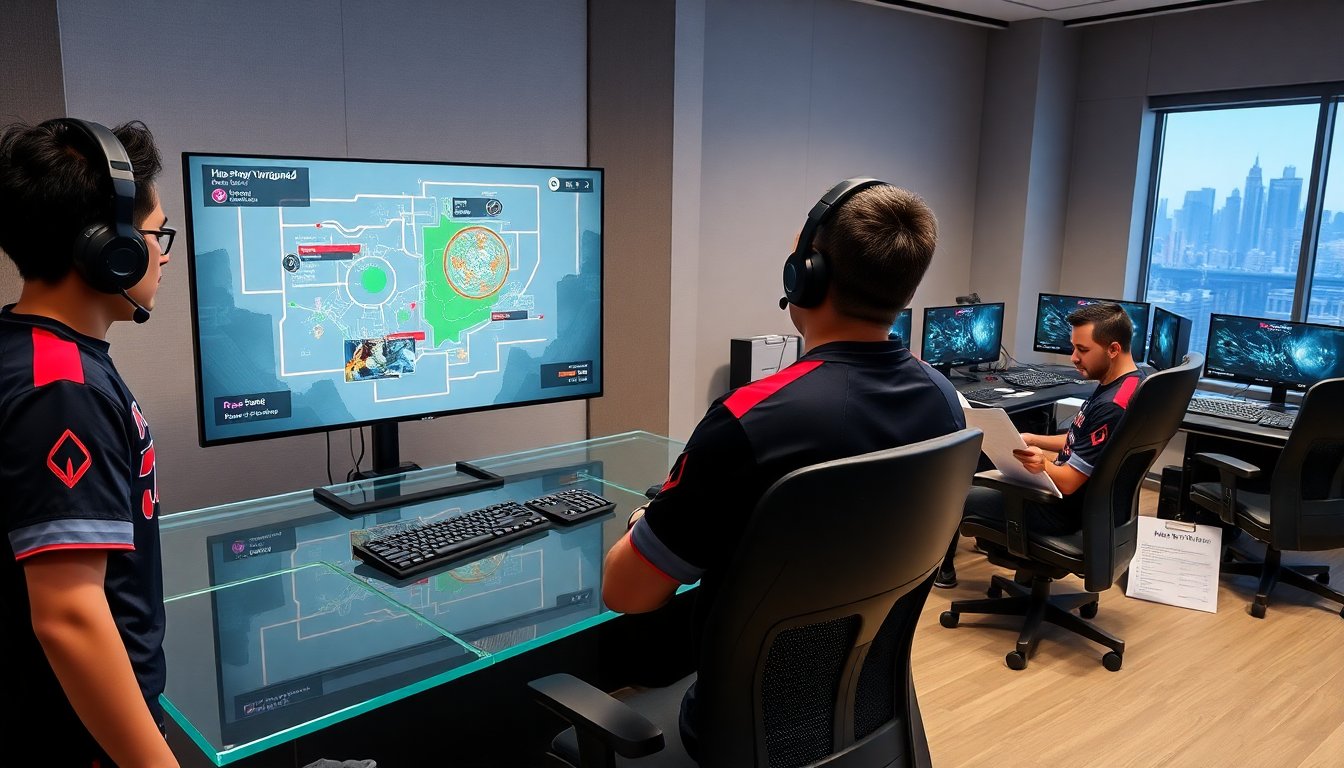
High refresh rate monitors are a game-changer in competitive esports, where milliseconds can determine victory or defeat. Professional players routinely choose 144Hz, 165Hz, or even 240Hz monitors to ensure they experience the game in near real-time, with minimal input delay and maximum fluidity. For example, in fast-paced FPS titles, a player on a 144Hz monitor can see and react to an opponent faster than someone using a 60Hz display, giving them a measurable edge in both aiming and movement. Similarly, in battle royale games, where quick reflexes and split-second decisions are essential, higher refresh rates allow players to spot threats earlier and navigate environments more efficiently.
Beyond individual performance, high refresh rate monitors support competitive strategies that rely on precise timing, coordinated team movements, and fast execution of complex actions. Gamers who follow today gaming news can also learn about trends in professional setups, monitor technology advancements, and how elite players optimize their equipment for peak performance. Being informed helps both casual and aspiring professional gamers understand the benchmarks they need to meet. In modern esports, where tournaments are increasingly broadcast to global audiences, every technical advantage counts, and high refresh rate monitors remain one of the most impactful tools for achieving that edge.
Eye Comfort, Fatigue Reduction, and Long-Term Benefits
High refresh rate monitors are not only designed for competitive advantages—they also provide significant health and comfort benefits. Extended gaming sessions on standard 60Hz displays can lead to eye strain, headaches, and visual fatigue due to flickering and motion blur. High refresh rate monitors reduce these issues by delivering smoother motion, making visual tracking more natural and less taxing on the eyes. Gamers often report that upgrading to a 144Hz or 240Hz display allows them to play longer sessions without experiencing discomfort, maintaining high levels of focus and cognitive performance throughout the game.
Additionally, high refresh rate monitors paired with adaptive sync technology eliminate tearing and stuttering, further reducing eye strain. This is particularly important in esports tournaments, where players may compete for hours under intense visual and mental pressure. Maintaining eye comfort directly correlates with consistent performance: the less fatigued a player is, the better their reaction times and strategic decision-making become. Platforms like egw.news provide in-depth coverage of monitor technologies, reviews, and health-focused features, helping gamers make informed choices for both performance and wellness. By choosing a monitor that balances refresh rate, response time, and adaptive technologies, players can ensure an optimal setup for long-term gaming health.
Understanding Refresh Rates and Their Impact on Gameplay
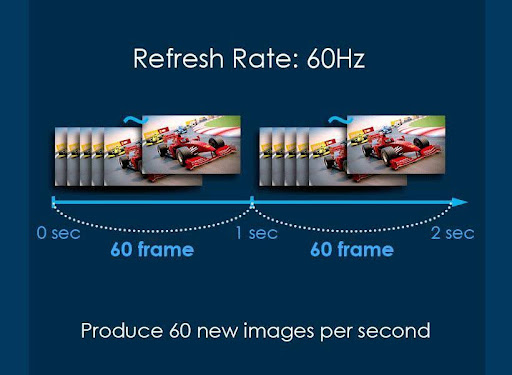
Refresh rate, measured in hertz (Hz), indicates how many times per second a monitor updates the displayed image. While standard monitors typically run at 60Hz, modern high refresh rate monitors reach 144Hz, 165Hz, or even 240Hz. This higher frequency allows images to be displayed more smoothly, eliminating choppiness and providing a visual continuity that is crucial for fast-paced gameplay. In competitive titles like CS:GO, Valorant, and Apex Legends, smoother motion can improve reaction times by allowing players to track moving targets with precision and anticipate enemy actions before they become critical.
Moreover, high refresh rates are not just about seeing more frames—they fundamentally alter the way gamers perceive and interact with the game environment. Visual cues, like enemy movements, projectile trajectories, and map rotations, become easier to track, allowing players to make split-second decisions with greater confidence. The benefits are amplified when paired with a powerful graphics card capable of outputting high frame rates, creating a synergy between hardware and gameplay that maximizes responsiveness. Understanding this relationship is key for any gamer aiming to elevate their performance. Additionally, high refresh rate monitors often include features like motion blur reduction, adaptive sync technologies (G-Sync, FreeSync), and variable refresh rate support, all of which further enhance visual clarity and minimize distractions, creating a smoother and more competitive gaming experience.
Choosing the Right Monitor for Your Gaming Style
Selecting the optimal high refresh rate monitor requires considering the types of games you play, your system capabilities, and your personal comfort preferences. FPS and battle royale players typically benefit from ultra-fast refresh rates (144Hz–240Hz) combined with low response times (1–2ms), allowing for precise aiming and split-second reflexes. Strategy, RPG, or adventure gamers may prioritize higher resolutions and color accuracy over maximum refresh rates, but even these players can benefit from smoother motion during cinematic sequences or large-scale battles.
It is equally important to match your monitor’s refresh rate to your graphics card’s performance. A high refresh rate monitor is only fully effective if your system can output frames fast enough to match the display, otherwise, the investment may be underutilized. Screen size, panel type (IPS, TN, VA), and adaptive sync features are also crucial considerations. By carefully evaluating these factors and researching monitor specifications, gamers can select a display that fits their gaming profile, ensuring they maximize both performance and visual experience, creating a setup that is competitive, immersive, and sustainable for long-term use.
Conclusion
High refresh rate monitors have transitioned from a luxury to a necessity in modern gaming. They provide smoother motion, faster reaction times, reduced input lag, and improved eye comfort, all of which are critical for both competitive and casual players. Beyond immediate gameplay benefits, these monitors enhance immersion, improve strategic decision-making, and allow gamers to maintain performance during extended sessions. By staying informed about the latest hardware developments and industry trends, gamers can make educated decisions about purchases, ensuring their setups remain aligned with professional standards. In a landscape where milliseconds and precision define success, investing in a high refresh rate monitor is one of the most effective ways to achieve modern gaming excellence.

Wayne is a unique blend of gamer and coder, a character as colorful and complex as the worlds he explores and the programs he crafts. With a sharp wit and a knack for unraveling the most tangled lines of code, he navigates the realms of pixels and Python with equal enthusiasm. His stories aren’t just about victories and bugs; they’re about the journey, the unexpected laughs, and the shared triumphs. Wayne’s approach to gaming and programming isn’t just a hobby, it’s a way of life that encourages curiosity, persistence, and, above all, finding joy in every keystroke and every quest.