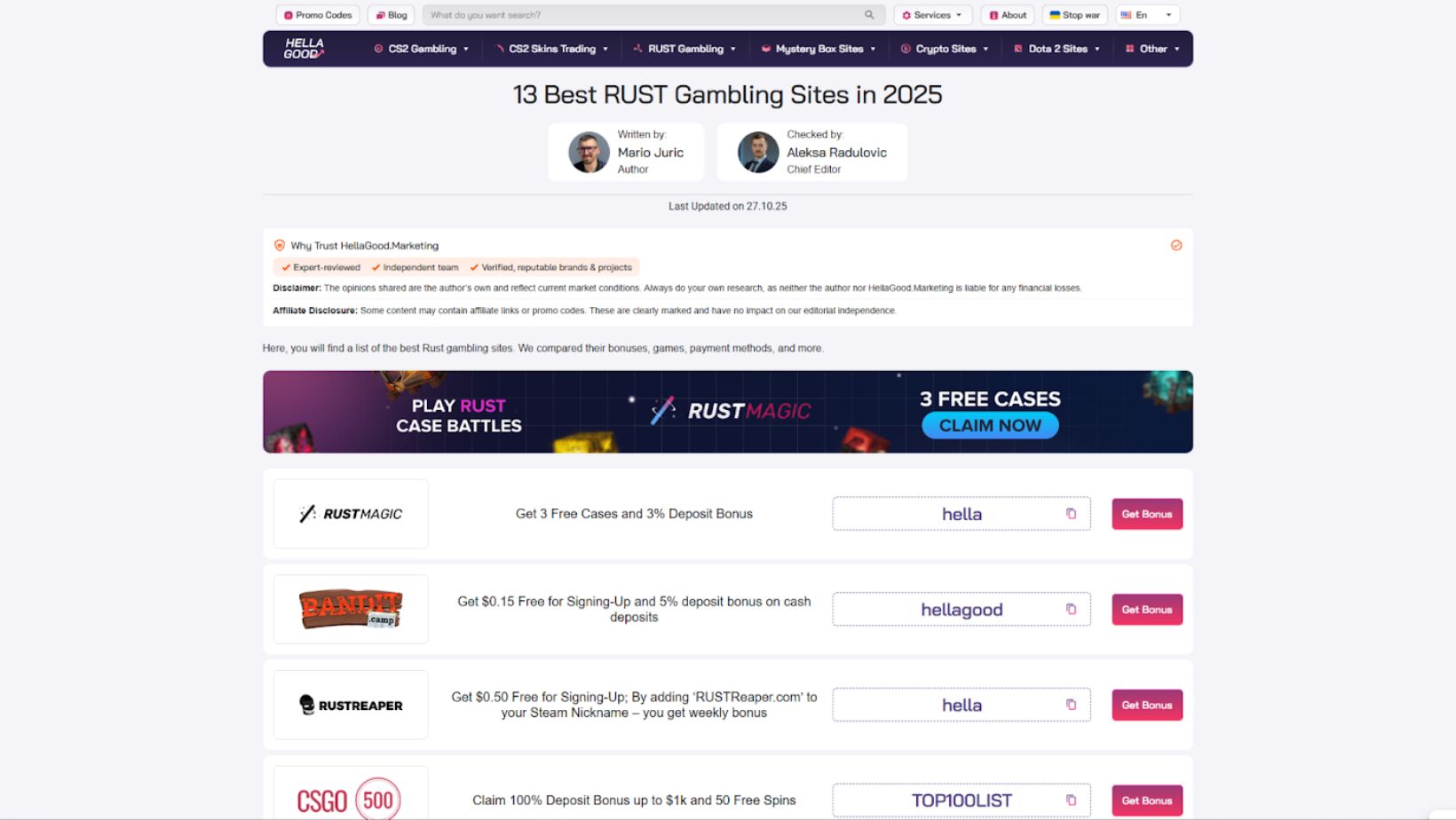
In recent years, the popularity of online gambling has surged, particularly within the realm of video games. One such phenomenon is Rust skin gambling, where players wager in-game items specifically skins on various games of chance. These platforms operate on the premise of using valuable virtual goods instead of traditional currency. However, the sustainability and growth of rust gambling site are influenced by a variety of economic factors that can impact both players and operators alike.
The Rise of Rust Skin Gambling
Rust, a multiplayer survival game, has captured the attention of millions of players worldwide. As the game grew in popularity, so did the community’s interest in trading skins cosmetic items that modify the appearance of weapons and equipment within the game. Players soon began to see these skins not just as decorative elements, but rather as valuable assets. This created a burgeoning market where skins could be bought, sold, and traded, leading to the emergence of Rust skin gambling sites.
These platforms allow players to stake their skins on various gambling games, such as roulette, coin flips, and jackpot games. The allure of potentially winning rare and valuable skins drives players to participate, despite the inherent risks of gambling. However, the economic landscape surrounding these platforms is complex and multi-faceted.
Supply and Demand
One of the most crucial economic principles that apply to Rust skin gambling is the concept of supply and demand. The availability of skins in the market can fluctuate based on various factors, including game updates, seasonal events, and player engagement. When new skins are introduced or existing skins are removed from the market, the demand for specific items can soar.
If a skin is rare or has unique features, its market value will increase significantly. For gambling sites, a higher value translates to greater potential winnings, which can draw more players in. Conversely, if a skin becomes common or is heavily devalued, it can reduce player interest and participation in gambling activities. Therefore, monitoring the market trends and adjusting gambling offerings accordingly is vital for these platforms to remain competitive.
Economic Incentives and Player Behavior
Economic incentives play a significant role in influencing player behavior on Rust skin gambling sites. The potential for profit can motivate players to gamble more than they might under normal circumstances. When real-world currency is not at stake, the perceived risk can diminish, leading players to wager more skins in hopes of hitting it big.
This behavior is compounded by emotional factors; players often get carried away by the thrill of gambling and the excitement of winning. They might start with small bets but can quickly escalate to larger wagers, driven by the economic allure of potential rewards. This tendency is something that gambling sites must consider, as they can benefit from increased revenue generated through high-volume players.
Regulation and Legal Factors

The legal landscape surrounding online gambling is constantly evolving, and Rust skin gambling is not immune to these changes. Depending on jurisdictions, gambling regulations can vary greatly, affecting how these sites operate. In regions where online gambling laws are strict, operators may need to adjust their business models to comply with regulations, which could include implementing age restrictions or offering responsible gambling measures.
These legal constraints can also impact the economic viability of skin gambling sites. If regulations impose higher taxes or compliance costs, it may diminish the profitability of the platform. On the other hand, regions with a more relaxed regulatory environment might see a surge in operators entering the market, leading to increased competition and potentially better services for players.
Currency Fluctuations and Market Volatility
The value of skins is also impacted by the volatile nature of cryptocurrency and other in-game economies. Many Rust skin gambling sites use cryptocurrency as a payment method due to its anonymity and ease of transaction. However, the fluctuating values of cryptocurrencies can pose significant risks for both players and operators.
If the value of a cryptocurrency drops dramatically, it can lead to substantial losses for players who had previously invested significant amounts. Similarly, operators may find their revenue streams compromised if users withdraw their funds during periods of market downturn. Hence, understanding these economic fluctuations and incorporating risk management strategies is essential for maintaining stability within the gambling ecosystem.
Impact of Economic Recession
Another vital aspect to consider is how broader economic conditions, such as an economic recession, can influence Rust skin gambling. During periods of financial hardship, discretionary spending typically declines. As gambling often falls into the category of non-essential entertainment, players may be less willing to risk their valuable skins when they are focused on managing tighter budgets.
Conversely, some players might turn to gambling as a means to generate extra income during tough times, willing to take risks they might avoid during more prosperous periods. This duality complicates predictions about player behavior during economic fluctuations and poses both opportunities and challenges for gambling operators.
Conclusion
Rust skin gambling represents a fascinating intersection of gaming, economics, and regulatory frameworks. While the allure of gambling on digital assets can drive engagement, the economic factors influencing these sites from supply and demand dynamics to legal constraints—play a vital role in shaping the market landscape. As players navigate this world, they do so under the influence of numerous economic factors that can impact their experience, the value of their assets, and the future of Rust skin gambling sites. Understanding these elements is essential for both players and operators aiming to thrive in this evolving environment.

Wayne is a unique blend of gamer and coder, a character as colorful and complex as the worlds he explores and the programs he crafts. With a sharp wit and a knack for unraveling the most tangled lines of code, he navigates the realms of pixels and Python with equal enthusiasm. His stories aren’t just about victories and bugs; they’re about the journey, the unexpected laughs, and the shared triumphs. Wayne’s approach to gaming and programming isn’t just a hobby, it’s a way of life that encourages curiosity, persistence, and, above all, finding joy in every keystroke and every quest.