Dust off those old storage bins in the attic because your childhood memories really might just fund your next major investment or vacation. Vintage items from the turn of the millennium are surging in value, turning ordinary playthings into premium collector assets.
Do you remember the plastic bins stacked in your childhood bedroom, filled with colorful plastic and shiny cardboard? Those forgotten treasures from the 1990s and early 2000s are no longer mere nostalgia. Collectors around the globe now pay staggering sums for specific items that defined a generation.
The Staggering Rise of Vintage Trading Cards
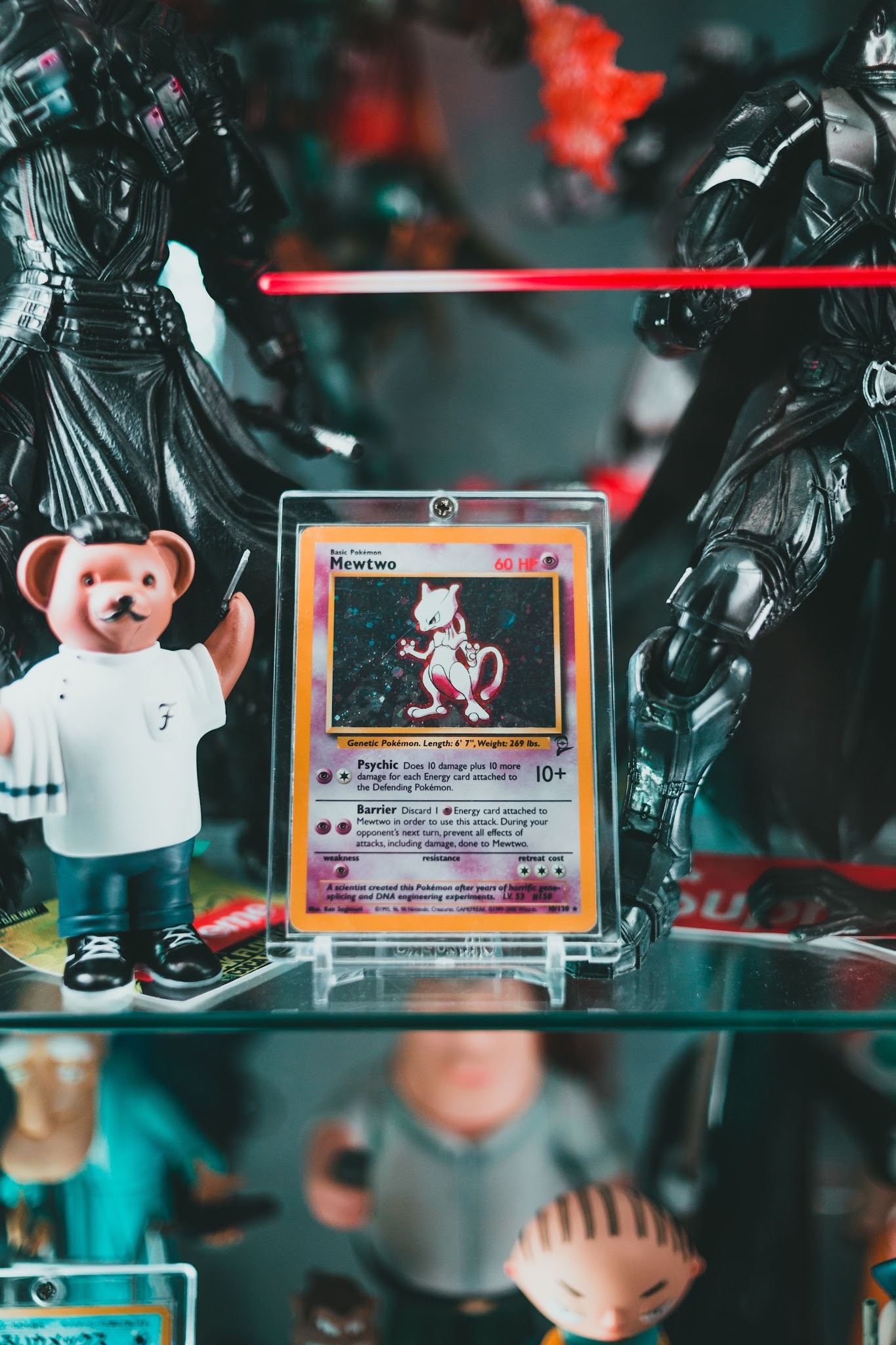
Trading card games experienced an unprecedented boom during the late 1990s. Early print runs of popular franchises now command premium prices on the secondary market. For instance, a first-edition holographic Charizard card from the 1999 Pokémon Base Set can fetch an absolute fortune in pristine, gem-mint condition.
This meteoric rise is driven largely by millennial nostalgia and the emergence of professional grading services like PSA and BGS, which formally authenticate and grade a card’s physical condition. Consequently, high-grade specimens have transitioned from simple schoolyard toys into a legitimate alternative asset class, attracting serious collectors and investors worldwide.
Even common cards from early expansions hold steady value if the condition remains flawless. Magic: The Gathering cards from the same era follow a similar trajectory. A rare Alpha Edition Black Lotus card has sold at auction for record-breaking figures, proving that early cardboard investments can outperform traditional stocks.
As pop-culture nostalgia continues to intersect with financial markets, what once sat forgotten in dusty childhood closets is now locked securely in bank vaults.
Digital Innovation in Portfolio Management
Managing a growing Pokémon collection shouldn’t feel like a full-time job. CardTrack takes the guesswork out of card values by blending live data from three independent marketplaces into one honest number.
With a free built-in card scanner and an automated collection tracker, you can instantly see what your raw and graded cards are worth in your local currency. From checking market movers to evaluating fair trades on the spot, CardTrack gives you the data you need to protect your portfolio and collect smarter.
Action Figures That Multiplied in Asset Value
Action figures from the late 1970s through the early 2000s have seen substantial valuation growth, though profitability heavily depends on rarity and production numbers. While mass-produced 1990s figures are common, genuine vintage pieces or incredibly rare late-90s variants command highly competitive premium prices on the secondary market.
- Vintage Star Wars (1977–1985): While 1990s reboots remain incredibly cheap due to overproduction, original Kenner-era Star Wars figures, especially those from the rare 1985 “Power of the Force” line sealed on their original cardbacks, regularly sell for thousands of dollars.
- 1992 X-Men Series 1 Wolverine: High-grade, case-fresh variants featuring the iconic blue-and-yellow suit pull in impressive returns from Marvel enthusiasts when authenticated by third-party toy graders like AFA.
- 1996 Beast Wars Transformers: Original, first-wave Optimus Primal or Megatron figures in unpunched boxes fetch top dollar from serious movie and animation memorabilia collectors.
Keeping these figures out of direct sunlight prevents plastic degradation, prevents blister bubbles from yellowing and preserves the vibrant colors of the packaging artwork.
Electronic Nostalgia in the Premium Display Case
Handheld electronics from the early digital era represent another massive goldmine for modern sellers. Original Tamagotchi units from 1996, especially rare promotional or regional colorways, sell for incredible amounts on global bidding platforms.
Furbies from the 1998 launch window command similar attention if the internal mechanisms remain functional and free of battery corrosion. Even early-generation portable gaming consoles like the Nintendo Game Boy Color or the Game Boy Advance regularly fetch significant sums due to limited-edition branding.
The transparent Atomic Purple variant remains highly sought after by retro gaming communities.
This surging demand is driven by millennials seeking to reclaim the tangible tech of their childhoods, turning those memories into high-end collectibles. Beyond the core gaming hardware, unboxed peripherals, original link cables and pristine cardboard packaging heavily multiply an item’s final market valuation.
Additionally, early digital cameras with low-megapixel sensors and obsolete media formats like SmartMedia cards are experiencing a massive, unexpected resurgence among Gen Z enthusiasts seeking a grainy, anti-smartphone aesthetic.
As these fragile components naturally degrade over time, the scarcity of working, mint-condition specimens will only continue to drive prices upward in the premium secondary market.
Strategies to Maximize Your Collection Resale Value
Extracting the maximum financial return from a vintage toy or trading card collection requires strict adherence to industry preservation standards. Condition is the absolute primary driver of final auction hammer prices.
Third-party grading services utilize a strict 10-point scale to assess centering, corners, edges and surface cleanliness. Moving an item from a near-perfect grade to a flawless, pristine tier can increase the final market value exponentially.
To safeguard these assets, always store loose toys in archival-grade, acid-free plastic containers away from humid environments and direct sunlight to prevent mold growth and severe UV fading.
Furthermore, keeping original boxes, instruction manuals and inserts intact, even if previously opened, adds an immediate, substantial premium to any piece of history.

Wayne is a unique blend of gamer and coder, a character as colorful and complex as the worlds he explores and the programs he crafts. With a sharp wit and a knack for unraveling the most tangled lines of code, he navigates the realms of pixels and Python with equal enthusiasm. His stories aren’t just about victories and bugs; they’re about the journey, the unexpected laughs, and the shared triumphs. Wayne’s approach to gaming and programming isn’t just a hobby, it’s a way of life that encourages curiosity, persistence, and, above all, finding joy in every keystroke and every quest.